
Traceability has become one of the most important capabilities in modern food safety management, not just because of 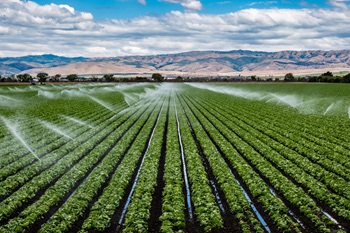 regulation, but because of what it enables. As food supply chains grow more complex, companies must be able to quickly understand where products came from, how they moved, and where potential risks may exist. Traceability is no longer simply a compliance function; it is a cornerstone of food safety culture, risk management, and operational resilience.
While regulatory requirements such as FSMA Section 204 have accelerated industry focus on traceability, the underlying drivers extend far beyond compliance. Organizations that invest in traceability today are better positioned to respond to incidents, collaborate with partners, and build long-term trust with customers and consumers.
A strong food safety culture depends on visibility, accountability, and shared responsibility. Traceability supports all three by ensuring accurate data is captured, maintained, and accessible across the supply chain. When teams trust their data, they can act decisively, whether responding to a regulatory request, investigating a potential issue, or validating supplier performance.
Rather than viewing traceability as an isolated system or project, leading organizations integrate it into everyday operations, reinforcing food safety expectations across quality, supply chain, operations, and regulatory teams.
Delaying traceability initiatives does not reduce complexity—it compounds it. Manual processes, spreadsheets, and disconnected systems can make it difficult to quickly assemble complete and accurate records when they are needed most. These gaps often surface during audits, investigations, or recall events, when time, pressure, and data accuracy are critical.
Organizations that are not prepared can face longer investigation timelines, broader recalls, higher costs, and increased reputational risk. In contrast, traceability-ready companies can respond with confidence, minimizing disruption while protecting public health.
Digital traceability systems provide the structure needed to consistently capture and manage traceability data across suppliers, facilities, and distribution partners. By defining Key Data Elements (KDEs) and Critical Tracking Events (CTEs), organizations establish clear expectations for what data is required and when it must be recorded.
With standardized, digitized data, teams can quickly identify affected products, understand supply chain relationships, and share accurate information with regulators and customers, turning traceability data into actionable insight rather than a last-minute scramble.
Traceability does not operate in isolation. Global supply chains require alignment with recognized standards and frameworks, such as SQF requirements. Standards-based traceability improves interoperability, simplifies data exchange, and supports audit readiness across markets.
Aligning traceability programs with these frameworks helps ensure systems are scalable, future-ready, and capable of meeting evolving regulatory and customer expectations.
Traceability is a team effort that relies on collaboration across suppliers, processors, distributors, and retailers. Organizations that act now are already using traceability data to strengthen food safety culture, reduce risk, and improve operational visibility. Preparing today enables companies to meet regulatory mandates, support their partners, and respond effectively when the unexpected occurs.
Learn more about why traceability can’t wait by watching our digital seminar, Why Traceability Can’t Wait: Strengthening Food Safety Culture as a Competitive Advantage, presented with Trustwell.

L'automatisation aide les équipes de salubrité des aliments à renforcer la traçabilité, à combler les lacunes plus rapidement et à se tenir prêtes à effectuer des audit avant que la pression ne frappe.

L'édition 10 met davantage l'accent sur les domaines où les données et l'expérience ont montré que nous devions relever la barre : la culture de salubrité alimentaire, la gestion du changement, la surveillance environnementale et la notation des audit.
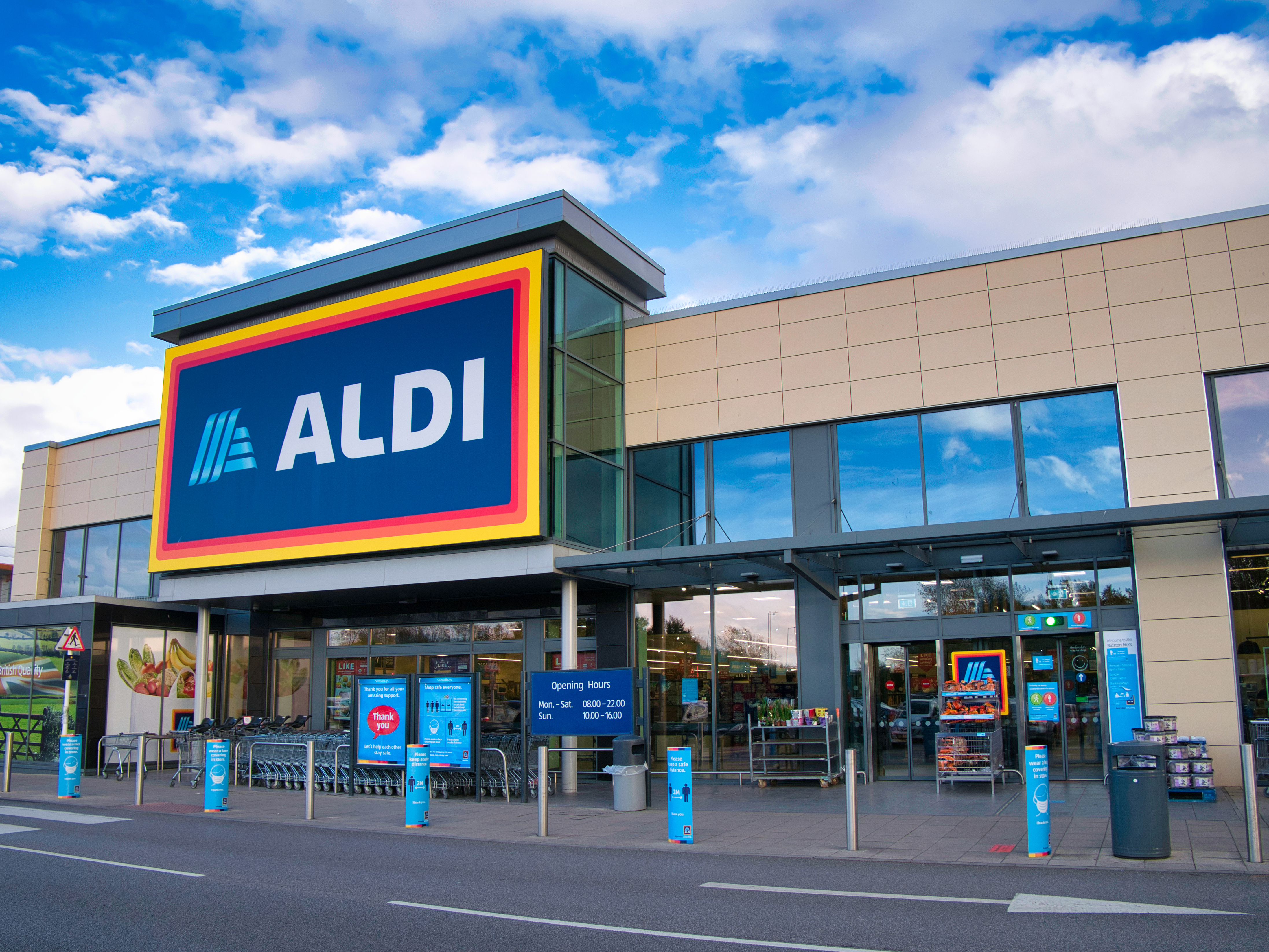
Si votre entreprise s'approvisionne, négocie ou facilite le commerce des produits de marque exclusive d'ALDI, une nouvelle exigence de attestation pourrait s'appliquer à vous.
Politique de confidentialité |
Modalités d'utilisation
251 18th Street S., bureau 1200 Arlington, VA 22202 | Téléphone : (202) 220-0635
© SQFI. Tous droits réservés.
Conception et développement Web par Groupe Matrix International, Inc.

