Our Animal Product Manufacturing Code can be applied to food sector categories for slaughtering, boning, and butchery; manufactured meats and poultry; and seafood processing.
Certification Technical Standard Organization https://www.sqfi.com SQF Institute Safe Quality Food Institute SQFI https://www.sqfi.com https://sqfi.com/ https://www.facebook.com/SQFInstitute https://x.com/sqfi https://www.linkedin.com/company/sqf-institute/ https://www.linkedin.com/company/1268046 https://www.youtube.com/channel/UC39i4KZQ7BhAg0SzuEuAVTQ https://sqfi.compliancemetrix.com/rql/g/Public_Directory ImageObject https://www.sqfi.com/images/sqfilibraries/theme/sqfilogo.svg 2026-02-26T12:00:00Z Food Safety Code: Animal Product Manufacturing, Edition 10 Our Animal Product Manufacturing Code can be applied to food sector categories for slaughtering, boning, and butchery; manufactured meats and poultry; and seafood processing. https://www.sqfi.com/images/sqfilibraries/edition-10-images/code-10-module-covers/sqf-code-covers-for-website-1900x1900-apm.png?sfvrsn=87b1da29_9 DefinedTerm FSC 7 - Slaughtering, Boning, and Butchery Applies to the lairage, slaughtering, dressing, processing, evisceration, on-site storage, chilling, freezing, and wholesaling of all animal species and game animals for consumption and extends to all meat cuts. Includes gutting, bulk freezing of fish.
Example of Products: Includes uncooked poultry, pork, and red meat animal species prepared in retail butcher shops, boning rooms, and meat wholesale markets, including ground (minced) meats. Bone-in and whole muscle fillet for pork and red meat species including ground (minced) red meat. Bone-in and whole muscle poultry fillet and ground (minced) poultry meat. DefinedTermSet Food Sector Categories DefinedTerm FSC 8 - Manufactured Meats and Poultry Applies to the processing, manufacture, transport, and on-site storage operations where meat (all red meat species and poultry) is the major ingredient including all value-adding operations (i.e. cook-chill, deboning, crumbing, curing, smoking, cooking, drying, fermenting, and vacuum packing) and chilling and freezing operations, but not canning of meat or poultry product.
Example of Products: Includes poultry, pork, and red meats blends and raw heat-treated, pasteurized, and fermented poultry, pork, and red meats, including salami, hot dogs, sausages, bacon, pepperoni, and meat pastes, etc. DefinedTermSet Food Sector Categories DefinedTerm FSC 9 - Seafood Processing Applies to the processing, manufacture, transport, and on-site storage of all fish and seafood species and extends to value-adding operations, including dismembering, fermenting, deboning, crumbing, smoking, cooking, freezing, chilling, drying, and vacuum packing, but not canning of seafood product.
Example of Products: Includes: Whole fish, fish fillets, reformed fish cakes, coated fish portions uncooked fish product, sashimi, sushi, surimi, smoked, cooked, pasteurized fish products chilled or frozen that require no further cooking prior to consumption. DefinedTermSet Food Sector Categories DefinedTermSet Part A: Implementing and Maintaining the SQF Food Safety Code DefinedTerm Notice Updated on September 1, 2026, to reflect new Code requirements. DefinedTerm A1 The Safe Quality Food Institute (SQFI) publishes a suite of globally recognized food safety and quality Codes that cover all aspects of the food supply chain from primary production through to retail and foodservice. All standards are available free of charge at www.sqfi.com. Before embarking on the SQF journey, sites are encouraged to download and review the SQF Code that best fits their needs. DefinedTerm A2 Achieving and Maintaining SQF Certification DefinedTerm A2 Part A (this part) of the SQF Code sets out the process a site needs to take to implement and maintain certification to the SQF Food Safety Code relevant to its business.Part B of the SQF Code is the auditable standard. It details the SQF System elements (Module 2) that must be met, and the Good Manufacturing Practices (GMP), Good Agricultural Practices (GAP), or other Good Industry Practices (GIP) module relevant to its industry scope.To determine which Code and GIP module(s) apply to the site, refer to the table in the Food Sector Category Directory, which describes the food sector categories (FSC).Personnel at a site in a site management or technical role are responsible for implementing the requirements of the relevant SQF Food Safety Code and can learn how to get started and implement their SQF system in several ways.SQFI has a library of online training courses for practitioners, which can be accessed from www.sqfi.com. This web-based education tool allows the individual to enroll and complete training on fundamental food safety topics in their own time and at their own pace.An “Implementing SQF Systems” training course is available through the SQFI network of licensed Training Centers. Details about the Training Centers and the countries in which they operate are available at www.sqfi.com.Individuals can become familiar with the SQF Code by downloading the relevant SQF Code from www.sqfi.com free of charge.Although optional, it is recommended to utilize the services of a registered SQF consultant when first implementing an SQF System. All SQF consultants are registered by SQFI to work in specific food sector categories (FSCs) and are listed in the SQF directory, indicating the FSCs in which they are registered.Guidance documents are available for some SQF Code topics from www.sqfi.com. These documents can help the site interpret the requirements of the SQF Codes and assist with documenting and implementing an SQF System. The documents are developed with the assistance of food sector Technical Experts. The guidance documents are available to assist, but are not auditable documents. Where there is a divergence between the guidance document and the relevant Code, the SQF Code prevails. DefinedTerm A2:1 SQFI Assessment DatabaseSites are required to register in the SQFI Assessment Database at www.sqfi.com prior to their audit date and before any audit is initiated. At the time of registration, a fee must be paid (see the fee scale posted at www.sqfi.com). If the site does not maintain annual registration, the site certificate will be invalid until the site is registered on the SQFI Assessment Database. DefinedTerm A2:2 The SQF PractitionerThe SQF Food Safety Code requires that every certified site has a suitably qualified primary SQF Practitioner and substitute SQF Practitioner to oversee the development, implementation, review, and maintenance of the SQF System, including the System Elements, relevant Good Industry Practices (GIPs), and food safety plans.The requirements for an SQF Practitioner and substitute Practitioner are described in the System Elements, Part B: 2.1 Management Commitment. The site may also choose to have additional practitioners to meet shift and operational requirements.SQF Practitioners may voluntarily choose to earn the Certified SQF Practitioner credential. This credential evaluates practitioner competencies and further demonstrates the ability to implement, maintain, and continuously improve an SQF Food Safety System. DefinedTerm A2:3 TrainingSQF Practitioners are required to demonstrate knowledge of the SQF Code, including implementing and maintaining the requirements. Training required for the SQF Practitioners and other relevant personnel is defined in the SQF Code, Part B.Training courses and exams are available online and through the SQFI network of licensed Training Centers. Training in food industry disciplines, such as HACCP, regulatory requirements, applicable GIP, and internal auditing, is encouraged and will help prepare the site for implementing its SQF Food Safety System. Licensed SQF Training Centers can provide details about the other training courses they offer. Details of the training courses are available at www.sqfi.com. DefinedTerm A2:4 Scope of CertificationBefore implementing the SQF Code, the site must determine the scope of certification that includes: the site premises, food sector categories, and products and processes included in the SQF System. The scope determines which elements of the SQF Code are to be documented and implemented and will be audited. The scope must be agreed upon between the site and the Certification Body before the initial certification audit and cannot be changed during or immediately following a certification or re-certification audit for requirements on changing the scope of certification.Site: SQF certification is site-specific. The entire site, including all premises, support buildings, silos, tanks, loading and unloading bays, and external grounds are included in the scope of certification. If activities are carried out in different premises but are overseen by the same senior, operational, and technical management and are covered by a single SQF System, the site can be expanded to include those premises.Food Sector Categories (FSC): SQF certification is industry-specific. The table in the SQF Food Sector Category describes all FSCs that classify product groups, such as Seafood Processing, Confectionery Manufacturing, and Manufacture of Food Packaging. Selecting the proper FSC(s) applicable to the site will ensure the auditor has the requisite knowledge and skills and that the Code elements meet the industry expectations.Products and Process: SQF certification is product specific. Within each applicable FSC, the site will need to identify the products and processes that are included in the SQF System. The manufacture of all listed products will be audited for compliance to SQF and will be listed on the audit certificate, unless there is a request for a scope exclusion (refer to Part A2:5).Changes to the Scope of CertificationIf new food sector categories or new products are added to the scope of certification, a change in the scope of certification may be requested, in writing, to the Certification Body.If the scope change is a new process or a major change to an existing process, a new product line, or a significant change in personnel, equipment, raw materials, packaging materials or ingredients, the Certification Body is required to be advised in writing. The Certification Body is required to review the additional process or product(s) and determine if a new certificate can be issued. If not, the Certification Body is required to advise the site in writing.An audit for an expansion in scope does not change the re-certification date or certificate expiry date. When a new certificate is issued, the re-certification audit date and certificate expiry date remain the same as on the original certificate.When the scope of certification has been changed, the Certification Body makes the appropriate scope changes to the site record in the SQFI Assessment Database.If the request is received within thirty (30) days prior to the re-certification audit window, the Certification Body may defer the scope extension to the upcoming re-certification audit and advise the site accordingly. No new certificate is issued until after a successful re-certification audit. DefinedTerm A2:5 Scope ExclusionsIf the site wishes to exclude specific products, processes, or a portion of the premises from the scope of certification, the request for exclusion must be submitted to the Certification Body in writing prior to the certification audit, detailing the reason for exclusion. The site must be able to demonstrate that these exclusions do not cause a food safety risk with certified products. Exclusions may not be granted for the entire premises or for processes involved with the production, processing, and storage of applicable products.If approved by the Certification Body, exclusions are listed in the site description on the SQFI Assessment Database, in audit reports, and on the audit certificate. Excluded products and portions of the site cannot be promoted as being covered by the SQF certification. Instances where the promotion of excluded items is identified and substantiated will result in the immediate withdrawal of the SQF certification.Sites that have been granted an exclusion shall have "Exclusions" indicated on the certificate, with the complete list of the products or processes that were excluded listed on the audit report. DefinedTerm A2:6 Document The SQF SystemThe SQF system elements (Module 2) and relevant GIP module(s) of the SQF Food Safety Code must be documented. This requires preparing policies, procedures, work instructions, and specifications that meet the Code elements in these modules. In other words, “Say what you do.” DefinedTerm A2:7 Implement the SQF SystemOnce the SQF System is documented in policies, procedures, work instructions, specifications and other related documents and records, they must be implemented. This includes ensuring that all documented procedures are followed, and records are kept demonstrating compliance with the relevant modules of the SQF Food Safety Code. In other words, “Do what you say.” For initial audits and when a recertification audit occurs during an edition change, SQFI recommends that a minimum of ninety (90) days of records, including all activities that are to be conducted at least annually, are available before a site audit is conducted. However, the Certification Body may require additional record requirements relevant to the site's scope. DefinedTerm A2:8 Auditable ClausesAll elements of the Code will be audited. Mandatory clauses and elements designated as such within the SQF System Elements (Module 2) may not be reported as not applicable (NA) during audits. These clauses must be documented, implemented, and audited for a site to achieve SQF certification. Failure to comply with a mandatory element results in a non-conformance. Clauses and requirements that are not designated as mandatory can be reported as not applicable (NA) or involve alternative controls, only when a justification and/or risk assessment is available during the audit.Identified within Part B are Core Clauses. These clauses are foundational to the development, implementation, and maintenance of a robust food safety management system. Non-conformances against Core Clauses are weighted more heavily in the scoring system due to their critical role in preventing food safety failures (refer A2:19). DefinedTerm A2:9 SQF Certification BodiesSQF Certification Bodies are licensed by SQFI to conduct SQF audits and issue SQF certificates. A list of licensed Certification Bodies that operate in the site's region or country is available at www.sqfi.com and in the SQFI Assessment Database. SQFI-licensed Certification Bodies are accredited to the international standard ISO/IEC 17065:2012 (or subsequent versions as applicable) and are subject to annual assessments of their certification activities by SQFI-licensed accreditation bodies. The site must always have an agreement with a Certification Body in place, outlining the SQF certification services to be provided and shall include:The scope of certification (refer to A2:4), including any approved exclusions (refer to A2:5).The expected audit duration and the reporting requirements.The Certification Body’s fee structure includes audit costs, travel time and expenses, report writing costs, ancillary costs, and costs for closing out non-conformances.The conditions under which the SQF certificate is issued, withdrawn, or suspended.The Certification Body’s appeals and complaints process, andThe availability of auditor(s) for the site’s FSC(s). Note that if the site is seeking to implement an SQF multi-site program, this must be indicated in the application to the Certification Body. The agreed multi-site program, including the identification of the central site and number and names of the sub-sites, is to be included in the agreement with the Certification Body. Refer to the SQF Requirements for Multi-Site Certification. Changing the Certification BodyThe SQF certified site can change to another SQF-licensed Certification Body:After the certificate has been issued.After closure of all outstanding non-conformances.Prior to the start of the site's next audit window.The certification is not suspended or under threat of suspension or withdrawal, or pending a surveillance audit. A site can change Certification Bodies only after the surveillance audit is conducted or by written approval from SQF Compliance (compliance@sqfi.com). When a site changes Certification Bodies, the certificate issued by the previous Certification Body remains valid until the expected expiration date. The certification number and re-certification date are transferred with the site to the new Certification Body. The new Certification Body is required to undertake a review of the site’s certification before the transfer is complete to:Confirm the certificate is current, valid, and relates to the SQF System as certified.Confirm the site’s food sector category falls within the new Certification Body’s scope of accreditation.Confirm that any complaints received are actioned.Confirm the last date of the site's unannounced audit.Review of the site’s audit history, including past audit reports and unresolved non-conformances, to satisfy the new Certification Body. Sites are required to make the last recertification audit report and surveillance audit report (if applicable) available to the new Certification Body. DefinedTerm A2:10 The SQF Audit TeamThe SQF food safety auditor is selected by the Certification Body. The Certification Body must advise the site of the auditor’s name and, except for the unannounced audit, the date and time the SQF audit is scheduled.The auditor is required to be employed or contracted by the Certification Body and registered with SQFI for the same food sector category(ies) as the site’s scope of certification (refer to A2:4). The registration and food sector category(ies) of the SQF food safety auditor are available at www.sqfi.com.Technical Experts may be used to assist SQF food safety auditors in audits where the auditor is SQF registered but does not possess some or any of the site’s food sector category(ies) or for products/processes where the audit would benefit from expert technical advice. If a Technical Expert is chosen, the Certification Body must inform the site prior to the audit and obtain approval for the expert's involvement. The Technical Expert is required to sign a confidentiality agreement with the Certification Body.The Certification Body is required to ensure that no SQF food safety auditor conducts audits of the same site for more than three (3) consecutive certification cycles. An SQF food safety auditor cannot audit a site where they have participated in a consulting role or have a conflict of interest with anyone at the site within the last two (2) years. The site can refuse the service of an SQF food safety auditor if the site can demonstrate the auditor has a conflict of interest, or for other valid reasons. In such circumstances, the site shall outline the reasons in writing to the Certification Body. DefinedTerm A2:11 The Certification AuditAn SQF audit of the SQF Food Safety Code is an assessment by a qualified and registered SQF food safety auditor (or audit team) to ensure that the documentation (refer to A2:6) complies with the SQF Code and that the food safety and related management practices (refer to A2:7) are carried out according to that documentation. The scope of certification (refer to A2:4) cannot be changed after the audit has started.The auditor will conduct a process-based audit using a vertical audit approach to traceback targeted product(s) through the manufacturing process and form the basis for reviewing all policies, procedures, Standard Operating Procedures (SOPs)/Work Instructions (WI), records and other documentation related to the Hazard Analysis and Critical Control Point (HACCP) plan(s) and pre-requisite programs.To achieve and maintain certification, the site is required to attain a Certified, Certified with Surveillance, or Certified with Unannounced Surveillance audit rating for the initial certification and recertification audits, ensure that surveillance and re-certification audits occur within the required timeframe, ensure that no critical non-conformances are raised at surveillance or re-certification audits, and correct all major and minor non-conformances within the time frame specified.Recertification audits are conducted within thirty (30) calendar days on either side of the anniversary of the last day of the initial certification audit. These audits are conducted to verify the continued effectiveness of the site’s SQF System.A portion of each audit, with the exception of unannounced audits (refer to A2:14), may be conducted remotely using information and communication technology (ICT). At least half of the allocated audit duration must be conducted on-site by the auditor. Remote activities can only be conducted by agreement between the site and the Certification Body and are dependent on the ICT capability and information security requirements. The off-site and on-site portions are conducted at a time agreed between the site and the Certification Body, with the on-site portion only when the main processes are operating. DefinedTerm A2:12 Audit DurationThe audit duration is the expected total time that is required for the SQF auditor to complete the assessment of the SQF System. The audit duration must be sufficient for auditors to:Observe processes and employee behaviors throughout the inspection.Audit all processes and food categories covered under the certification.Conduct interviews with employees across various shifts and positions.Follow up on deviations as they occur, ensuring proper management and corrective actions.Review and analyze records thoroughly to make informed assessments.The audit duration times listed below are based on industry requirements and do not include time for report writing. The site should confirm with the Certification Body the fees for the audit, including report writing time.The minimum duration for a certification or re-certification audit depends on the scope of the certification and includes both remote and on-site activities (refer to step A2:4). At a minimum, the audit duration should be no less than the following for each of the Food Safety Codes:Primary Plant Production, Primary Animal Production and Aquaculture: One-half (1/2) day*Food Manufacturing, Dietary Supplements, Animal Products, Animal Feed, and Pet Food: Two (2) days*Storage and Distribution and Manufacture of Food Packaging: One (1) day**A typical day is equivalent to eight (8) hours.The audit duration is calculated by the Certification Body. The Certification Body will discuss and agree on the audit duration with the site to ensure complete coverage of the SQF System and the entire scope of certification. This audit duration and justification must be documented in the Certification Body’s agreement.Factors that can impact on the audit duration include:The size of the site and if different premises are included in the scope (i.e., acreage, number of buildings, distance between premises, number and size of tanks/ponds, size of herd/mob/flock).The number and complexity of product lines and processes (i.e., number of machines, variety of ingredients/species/materials, sub processes, support equipment).The design of product and process flow and movement of personnel.The number of employees, level of mechanization, and labor intensiveness.The ease of communication with company personnel (e.g., different languages spoken within the site).The complexity of the SQF System design and documentation.The involvement of the site in a significant food safety event.The initial certification audit may add an extra half (1/2) day to the duration. DefinedTerm A2:13 Seasonal OperationsIf the site is involved in seasonal production for any of its products, in which the major production activities are conducted over a duration that does not exceed more than five (5) consecutive months in any calendar year, the scheduling of the audits may be affected as follows:The initial certification audit must be conducted during the peak operational part of the season (i.e., when processes are operating and managing the largest commodity).If the site seeks to include products from more than one season within the scope of certification, the Certification Body will conduct the initial certification audit during the highest-risk and/or highest-volume production operation.Recertification audits in subsequent years should be scheduled during other times so that all commodities within the scope of certification have been audited within at least three (3) years.When there is a significant change in seasonal operations during the re-certification audit’s sixty (60) day window, the site should communicate this to the Certification Body. The site and Certification Body may agree on a temporary reset of the re-certification audit date, so it falls during the peak operational part of the season. If there is a permanent change to the re-certification audit date due to seasonal conditions, the request must be made in writing by the Certification Body to SQFI. DefinedTerm A2:14 Unannounced AuditsThe Certification Body is required to conduct an unannounced audit of the site once every three (3) years. The first three-year cycle commences with the site's first recertification audit date. The protocol for SQF unannounced recertification audits is as follows:The unannounced food safety audit shall occur within the first three years of the site's first recertification and then within three years after. It can occur in year one (1), two (2) or three (3) of the site's recertification audit cycle.The unannounced food safety audit occurs within the sixty- (60) day re-certification window (i.e., the anniversary date of the last day of the initial certification audit +/- thirty (30) days).If the site changes Certification Bodies, the site’s unannounced re-certification audit schedule does not change.The Certification Body determines the date of the unannounced audit within the sixty (60) day re-certification audit window.Negotiation between the site and the Certification Body may establish a ninety- (90) day blackout period to prevent the unannounced re-certification audit from occurring out of season or when the site is not operating for legitimate business reasons.Unannounced audits are on-site audits. Remote activities using ICT do not apply to unannounced audits.If the site refuses entry to an SQF food safety auditor for an unannounced audit, the Certification Body is required to immediately suspend the certificate.Certificates issued following unannounced re-certification audits indicate that the audit was unannounced (refer to A2:23).Select Site ProgramThe site may forgo the three-year unannounced audit requirement and voluntarily elect to have annual unannounced recertification audits. If annual unannounced re-certification audits are conducted at the site, then the protocol outlined for the unannounced audit requirement is to be followed for each audit. Sites with annual unannounced recertification audits are recognized on the SQF public directory and on the SQF certificate as an “SQFI Select Site.” DefinedTerm A2:15 Corporate AuditsIf the site is part of a larger corporation and some food safety functions are conducted at a separate corporate office (e.g., an office that does not process or handle products), an optional corporate audit of the Code elements managed by that office can be conducted. The decision on whether a separate corporate audit should be conducted is made by agreement between the Certification Body and the corporation. The corporate office should communicate this to the SQF-certified sites they support. Corporate audits do not apply to designated central sites within an SQF multi-site program (refer to the SQF Requirements for Multi-Site Certification).The corporate audit portion may be conducted remotely using ICT. All identified corporate Non-conformances must be closed out before the associated site audits are conducted. Any open Non-conformances that are not closed out are attributed to the site(s). During the site audits, the SQF food safety auditor audits the application of the implementation of the applicable corporate-managed policies and procedures at the site level, according to the scope of certification. All mandatory and applicable elements of the relevant SQF Food Safety Code are audited at each site regardless of the findings of the corporate audit. DefinedTerm A2:16 Language Used During the AuditThe Certification Body ensures the SQF food safety auditor competently communicates in the spoken and written language of the site. A translator is provided by the Certification Body with the knowledge of the technical terms used in the audit, is independent of the site, and has no conflict of interest. The site is to be notified of any increase in the audit duration and cost associated with the use of a translator. If there is a conflict, the English version of the SQF Food Safety Code prevails. DefinedTerm A2:17 Conducting the AuditThe SQF food safety auditor(s) will use a vertical audit exercise to review the documentation and the effectiveness of the implemented SQF System. The auditor(s) collects evidence of compliance or non-compliance for all applicable elements of the SQF Code by reviewing documentation, including policies, procedures, specifications, and records; interviewing key personnel; and observing the condition of the site, operational activities, and cleaning activities.The implementation review depends on the SQF Food Safety Code included in the scope of certification. The auditor will review the entire site, including the interior and exterior of the buildings and representative commodities, regardless of the scope of certification and agreed upon exclusions. The site audit includes a review of all operational and cleaning shifts and pre-operational inspections, where applicable.When remote ICT audit methods are used, SQFI expects that the auditor will spend eighty percent (80%) of the on-site audit time making observations and conducting interviews. DefinedTerm A2:18 Non-conformancesDuring each audit, the SQF food safety auditor(s) will advise the site of the number of non-conformances, including both the associated Code element and the description for each.Non-conformances against the SQF Food Safety Code are graded as follows:Minor: These non-conformances are evidence of a random or infrequent failure to maintain compliance with a requirement. It does not indicate a breakdown in the food safety management system or that food safety is compromised. It is evidence of an incomplete or inappropriate implementation of SQF requirements, which, if not corrected, could lead to system element breakdown.Core Clause Minor: A minor non-conformance issued to a requirement identified within an identified core clause.Major: These non-conformances are a failure of a system element, a systemic breakdown in the food safety management system which could be multiple minor non-conformities creating a pattern against related elements, a serious deviation from the requirements, and/or absence of evidence demonstrating compliance to an applicable system element. It does not indicate the likelihood to cause a significant public health risk. It is evidence of a food safety risk to products included in the scope of certification.Core Clause Major: A major non-conformance issued to a requirement identified within an identified core clause.Critical: These non-conformances are a breakdown of control(s) at a critical control point, a prerequisite program, or other critical process steps; or Determination by the Certification Body that there is systemic falsification of records relating to food safety controls and the SQF System. It is evidence that the failure is likely to cause a significant public health risk and/or product contamination.If the SQF food safety auditor considers that a critical non-conformance exists during a certification audit, the auditor is required to immediately advise the site and notify the Certification Body, and the audit is to continue as scheduled. A critical non-conformance raised during an initial certification audit results in an automatic failure of the audit, and the site is required to reapply for certification. A critical non-conformance issued during a re-certification audit results in an immediate suspension of the site's certificate. DefinedTerm A2:19 Audit RatingThe audit rating is based on the type and number of non-conformances issued during the audit period and reflects the condition of the site at the time of the audit. Based on the evidence collected by the SQF food safety auditor, each applicable clause of the SQF certification food safety audit is automatically scored in the audit report. A baseline score is calculated using the following scale:Compliant: 0-point deductionMinor: 1-point deducted for each aspectCore Clause Minor*: 2-point deducted for each aspectMajor: 5-point deducted for each aspectCore Clause Major*: 7-point deducted for each aspectCritical: 50-point deduction for any aspect*Non-conformances against Core Clauses are weighted more heavily in the scoring system due to their critical role in preventing food safety failures (refer A2:8).A score is calculated using the formula (100 – N), where N represents the sum of the point deductions. A rating, certificate status, and re-certification audit frequency is determined from the score as follows:80-100: Certified; Certificate issued; twelve-(12) month audit.70-79: Certified with Surveillance; Certificate issued; six-(6) month surveillance audit.0-69: F- Fails to Comply; No certificate issued; Considered to have failed the initial SQF audit0-69; Certified with Unannounced Surveillance; Site is immediately suspended. Certificate issued upon successful site visit; six month unannounced surveillance audit required. (refer A2:28-4). DefinedTerm A2:20 Audit Report Review ProcessAt the end of the site audit, the audit report is in draft form. The audit evidence is deemed the auditor’s recommendation until it is reviewed and approved by the authorized person of the Certification Body for technical content and application of the SQF Code. SQFI requires:The SQF food safety auditor must report on all mandatory elements (refer to A2:8) as compliant or non-compliant before the SQF food safety audit report may be submitted.The SQF food safety auditor must report all non-conformances to the site before the closing of the site audit in a written format.Non-conformances (refer to A2:18) identified during the site audit must be accurately described in the SQF food safety audit report, including the element of the SQF Food Safety Code and the evidence of non-conformance.The draft audit report is completed by the SQF food safety auditor and provided to the Certification Body for technical review.The Certification Body reviews and approves the audit evidence and makes the report available to the site within ten (10) calendar days from the last day of the audit. DefinedTerm A2:21 Corrective ActionsAll minor and major non-conformances must be addressed through corrective actions that eliminate the root cause and prevent recurrence. Documented evidence of both the corrective actions and root cause analysis must be submitted to the Certification Body. The SQF food safety auditor will verify that the response adequately addresses the non-conformance in a timely manner.All corrective actions must be approved by the auditor and closed in the SQFI Assessment Database within forty (40) calendar days of the site audit’s completion. Failure to submit corrective actions, provide root cause analysis, or obtain auditor verification within this timeframe will result in the site being ineligible for certification (see A2:28).Extensions may be granted by the Certification Body upon request:For minor non-conformances, when there is no immediate threat to product safety and temporary controls are in place.For major non-conformances, when corrective actions involve structural changes, are affected by seasonal constraints, or require long lead-time installations—provided interim controls mitigate product safety risks.In all cases, the non-conformance must still be marked as closed in the database within the forty (40) day window. The auditor will document the justification for the extension, the risk control measures, and the agreed completion date.When there is a repeat non-conformance from the previous audit, the auditor, at their discretion, may assign additional non-conformances under the corrective and preventative action clause. DefinedTerm A2:22 Granting CertificationThe Certification Body makes the certification decision based on the evidence of compliance and non-compliance requirements and the effectiveness of the closeout of corrective actions and the recommendation of the SQF food safety auditor. Although SQFI provides guidance on certification, the Certification Body is responsible for deciding if certification is justified and granted, based on the objective evidence provided by the SQF food safety auditor.Any certification decisions that are made outside the scope of this clause require the Certification Body to provide written justification to SQFI.The final audit report with completed and approved corrective actions is made available to the site. The SQF food safety audit report is the property of the site and cannot be distributed to other parties without the site’s permission.Certification of the SQF System is awarded to sites that achieve a certified audit rating at any level, with no outstanding non-conformances. The Certification Body makes the certification decision no more than fifty (50) calendar days from the last day of the site audit. Once SQF certification is granted, SQFI issues a unique SQFI Identification Number (SIN), which is specific to that site. The SIN remains with that site as long as they hold their SQF certification. DefinedTerm A2:23 Certificate IssueWithin five (5) calendar days of granting certification, the Certification Body will provide the site with an electronic and/or hard copy of the certificate. The certificate is valid for eighty (80) days beyond the anniversary of the initial certification audit date. Certified site information is posted on www.sqfi.com. The certificate remains the property of the Certification Body and in a form approved by SQFI. It must include the following information:The name and address of the site as listed on the SQFI Assessment Database.The name, address, and logo of the Certification Body.The logo of the accreditation body and the Certification Body’s accreditation number.The heading “certificate.”The phrase (site name) is registered as meeting the requirements of the relevant SQF Food Safety Code.The scope of registration – food sector category(ies) and products.Dates of on-site audit, date of next re-certification audit, date of certification decision, and date of certificate expiry.Indication of unannounced re-certification audit (where applicable).Signatures of the authorized officer and/or issuing officer of the Certification Body.The SQF logo.Certificate number.Certificates are published in English. However, certified sites in non-English-speaking countries may require a certificate in a local language. SQFI allows the Certification Body to issue local language certificates on request as long as:The certificate information listed above is included.The Certification Body has a protocol in place for translation and can verify the translation.An English and a translated copy of the certificate are uploaded to the SQFI Assessment Database and the accreditation body register. DefinedTerm A2:24 Fails to ComplyIf a site receives an “F – Fails to Comply” rating during an initial certification, or a Certified with Unannounced Surveillance during a re-certification SQF food safety audit, or fails to correct identified non-conformances within the required timeframe (see A2:22), it is considered to have failed the audit.For initial certification audits, the site must reapply for a new certification audit.For recertification audits, the site will be immediately suspended (refer to A2:29). Certification will only be reinstated following a successful site visit and is subject to a mandatory unannounced surveillance audit within six (6) months (refer to A2:33). DefinedTerm A2:25 Appeals and ComplaintsEach Certification Body has its own documented procedure for handling and resolving appeals and complaints made by the site or by another party about the site.Appeals: The Certification Body's appeals procedure is to be publicly available. Appeals to a decision made by the SQF food safety auditor in regard to the audit or an action taken by the Certification Body in regard to the certification must first be lodged directly with the Certification Body. Appeals regarding suspension and/or withdrawal of the SQF certification by a Certification Body do not delay the decision to suspend or withdraw the certification. The Certification Body is required to investigate and resolve appeals without delay and must keep a record of all appeals and their resolution.Appeals to the audit must be made to the Certification Body within fifteen (15) days from when the technically reviewed evidence is issued to the site. Certification Bodies are required to respond within fifteen (15) calendar days. If the appeal has first been referred to the Certification Body and cannot be satisfactorily resolved by them, the matter may then be referred to SQFI following the process listed on the Integrity Program page on www.sqfi.com. In the event that the appeal cannot be satisfactorily resolved, the site has fifty-five (55) days from the last day of the audit to refer the matter to SQFI.Complaints: Complaints about the conduct or behavior of an SQF-registered auditor or other Certification Body personnel, an SQF-certified site, SQFI, the SQF Codes, the SQF Assessment Database, SQF Training Centers, or SQF professionals from other parties are to be referred to the posted SQFI Complaint Management Policy via the Integrity Program page on www.sqfi.com. Any complaint that pertains to an audit is to be filed with the Certification Body or SQFI within eighty-five (85) days from the last day of the audit. If, upon investigating a complaint, it is determined that there has been a substantiated breakdown of the site’s SQF System or any other condition not in compliance with the relevant SQF Food Safety Code, the Certification Body is required to suspend certification. DefinedTerm A2:26 Surveillance AuditsA surveillance audit will be conducted if the site attains a Certified with Surveillance or Certified with Unannounced Surveillance at a re-certification audit. The surveillance audit is conducted within thirty (30) calendar days on either side of the six - (6) month anniversary of the last day of the last certification or re-certification audit. If the surveillance audit is a result of a Certified with Unannounced Surveillance rating, the audit will be unannounced within that time frame.A new score and rating are issued at the surveillance audit, but the site’s recertification audit date is not affected.The surveillance audit is a full SQF System audit. In particular, the surveillance audit is intended to:Confirm continued compliance with the requirements of the SQF Food Safety Code.Verify that the SQF System continues to be implemented as documented.Verify appropriate action has been taken where changes to the site’s operations have been made that impact the site’s SQF System.Verify the continued efficacy of corrective actions from the previous audits. Major or minor non-conformities raised at the surveillance audit are required to be closed out (refer to A2:21). DefinedTerm A2:27 Surveillance Audit – Seasonal OperationsSites involved in seasonal production are those in which the major production activities are conducted over a duration that does not exceed more than five (5) consecutive months in any calendar year, and the date of the surveillance audit falls within the peak operational part of the season. In these cases, this audit must be within thirty (30) days on either side of the six (6) month anniversary of the last day of the previous certification or re-certification audit. If the date of the surveillance audit falls outside of the peak operational part of the season, the certification audit is required to conduct a pre-operational audit no less than thirty (30) days prior to the next season. The pre-operational audit comprises a full review of corrective actions from the last audit and preparedness for the next re-certification audit. DefinedTerm A2:28 SuspensionThe Certification Body is required to suspend the SQF certificate if the site:Fails to permit the audit during the sixty- (60) day audit window or approved extension.Fails to take corrective action within the time frame specified.Fails to permit an unannounced audit or refuses entry of an SQF food safety auditor for an unannounced audit.Refuses entry to an auditor or SQFI during a non-audit event, such as an SQFI validation audit or verification of corrective action.Receives a Certified with Unannounced rating at a surveillance or re-certification audit.Fails to maintain the requirements of the SQF Food Safety Code, such as in the event of an enforcement action issued by a regulatory authority, failure to correct non-conformances identified in a food safety regulatory inspection report, or a confirmed foodborne illness outbreak linked to the site.Fails to meet the agreements set forth by the Certification Body.If the site’s certificate is suspended, the Certification Body immediately amends the site details on the SQFI Assessment Database to “suspended” status, indicating the reason for the suspension and the effective date. The Certification Body must inform the site in writing of the reasons for the suspension and the effective date. The site must acknowledge receipt of the suspension notification. Sites with a suspended SQF certificate may not represent themselves as holding an SQF certificate for the duration of the suspension.Appeals regarding decisions on the suspension of the SQF certification by a Certification Body shall not delay the decision to suspend or withdraw the certification (refer to A2:25). DefinedTerm A2:28-1 Reporting suspension in the event the site does not permit the audit to occur.IF: The site fails to permit the audit during the sixty (60) day audit window or approved extension:THEN: The Certification Body requests that within forty-eight (48) hours of receiving notice of the suspension, the site provide a plan detailing the justification for the delay and the timetable for the rescheduled audit (must be no more than thirty (30) days from the audit window).The Certification Body conducts an announced on-site recertification or surveillance audit (as applicable) within thirty (30) calendar days of receiving the corrective action plan.If the site successfully completes the SQF audit with a certified rating (at any level), the Certification Body reinstates the site status on the SQFI Assessment Database and provides the site with written notice that the certificate is no longer suspended.Regardless of the rating and because the site failed to permit the re-certification audit in the designated time frame, the Certification Body conducts an additional unannounced surveillance audit no more than six (6) months after the suspension to verify continued compliance with the SQF Code. DefinedTerm A2:28-2 Reporting suspension in the event the site fails to take corrective action.IF: The site does not take corrective action within the time frame specified:THEN: The Certification Body requests that within forty-eight (48) hours of receiving notice of the suspension, the site provide a detailed plan outlining the corrective actions to be taken to resolve the outstanding non-conformances.The Certification Body verifies that the corrective action plan has been implemented through an on-site visit within thirty (30) calendar days of receiving the corrective action plan.When the corrective action plan has been successfully implemented, the Certification Body reinstates the site status on the SQFI Assessment Database and provides the site with written notice that the certificate is no longer suspended. DefinedTerm A2:28-3 Reporting suspension in the event the site does not allow for the unannounced audit.IF: The site does not permit an unannounced audit or refuses entry of an SQFI food safety auditor for an unannounced audit:THEN: The Certification Body requests that within forty-eight (48) hours of receiving notice of the suspension, the site provide a plan detailing the justification for the refusal to permit an unannounced audit and an agreement to proceed with an unannounced audit within the next thirty (30) days.The Certification Body conducts an on-site recertification audit within thirty (30) calendar days of receipt of the site confirmation. If the site successfully completes the unannounced audit with a certified rating (at any level), the Certification Body reinstates the site status on the SQFI Assessment Database and provides written notice to the site that the certificate is no longer suspended.Additionally, an unannounced surveillance audit is conducted no more than six (6) months after the above unannounced re-certification audit to verify continued compliance with the SQF System. DefinedTerm A2:28-4 Reporting suspension in the event the site receives a Certified with Unannounced Surveillance rating.IF: The site receives a Certified with Unannounced Surveillance at a surveillance or recertification audit:THEN: The Certification Body requests that within forty-eight (48) hours of receiving notice of the suspension, the site provide a detailed plan including the root cause and outlining the corrective actions to be taken to resolve the outstanding non-conformances.The Certification Body verifies that the corrective actions have been implemented by means of an on-site visit within sixty (60) calendar days of receiving the corrective action plan.When the corrective action plan has been successfully implemented, the Certification Body reinstates the site status on the SQFI Assessment Database and provides the site with written notice that the certificate is no longer suspended.If the suspension is the result of a recertification audit, the Certification Body conducts an unannounced surveillance audit no more than six (6) months after the suspension to verify the effective implementation of the corrective action plan. DefinedTerm A2:28-5 Reporting suspension in the event the site fails to maintain the requirements of the SQF Food Safety CodeIF: The site does not maintain the requirements of the SQF Food Safety Code, such as in the event of an enforcement action issued by a regulatory authority, failure to correct non-conformances identified in a food safety regulatory inspection report, or a confirmed foodborne illness outbreak linked to the site:THEN: The Certification Body requests that within forty-eight (48) hours of receiving notice of the suspension, the site provide a detailed plan outlining the corrective actions to be taken regarding the failure to maintain the SQF Food Safety Code regarding the specific incident.The Certification Body verifies the corrective actions have been implemented by means of an on-site visit within thirty (30) calendar days of receiving the corrective action plan. When the corrective action plan has been successfully implemented, the Certification Body reinstates the site status on the SQFI Assessment Database and provides the site with written notice that the certificate is no longer suspended. DefinedTerm A2:28-6 Reporting Suspension in the event the site fails to meet the agreements set forth by the Certification BodyIF: The site fails to meet the agreements set forth by the Certification Body:THEN: The Certification Body requests that within forty-eight (48) hours of receiving notice of the suspension, the site provide a plan detailing the actions to be taken to meet the agreements set forth by the Certification Body.When the agreement between the Certification Body and the site has been successfully met, the Certification Body reinstates the site status on the SQFI Assessment Database and provides the site with written notice that the certificate is no longer suspended. DefinedTerm A2:29 Withdrawing CertificationThe Certification Body withdraws the certificate if the site:Has been placed under suspension and fails to follow the suspension protocol, as defined by the Certification Body in the notice of suspension;Fails to take approved corrective action within the time frames specified, as determined by the Certification Body (refer to step A2:28);Has intentionally and systemically falsified its records; orFails to maintain the integrity of the SQF certificate.If the site’s certificate is withdrawn, the Certification Body immediately amends the site details on the SQFI Assessment Database to “withdrawn” status, indicating the reason for the withdrawal and the effective date. The Certification Body must inform the site in writing of the reasons for withdrawal and the effective date.The site must acknowledge receipt of the withdrawal notification and return the certificate within thirty (30) days of notification. If the certificate is withdrawn, the site is not permitted to reapply for certification for twelve (12) months from the date the certificate was withdrawn by the Certification Body. DefinedTerm A2:30 Changes to Site SQF RequirementsThe SQF Food Safety Code enables sites to change the audit requirements based on changing business arrangements. These include changes and additions in product scope, changing the Certification Body, site relocation, and changes in business ownership. If assistance with any of these changes is needed, the site may contact the SQFI customer service team at info@sqfi.com. DefinedTerm A2:31 Changes to Audit DatesAll requests regarding temporary or permanent certification date changes for legitimate business reasons (such as changes to seasonal operation timeframe, temporary site closures, acts of nature, or extreme weather) must be sent to the site's current SQF Certification Body. Valid requests must then be submitted to SQFI by the site's Certification Body. Written approval by SQFI Compliance is required to issue a date extension to the site’s certificate or a temporary or permanent change to the site’s re-certification audit time frame. DefinedTerm A2:32 Relocation of PremisesSQF certification is site-specific (refer to step A2:4); if the site relocates its business premises, the site’s certification does not transfer to the new site location. A successful certification of the new site location is required. An initial certification audit must be completed for the new site. DefinedTerm A2:33 Change of Business OwnershipIf the ownership of a certified site changes (e.g., the site’s business has been sold), within thirty (30) calendar days of the change of ownership, the new owner is required to notify the Certification Body and apply to retain the SQF certification with the existing certification number.The Certification Body shall retain the existing audit frequency status and existing certification number if the site personnel with major responsibility for the management and oversight of the SQF Food Safety System has been retained.The Certification Body is required to complete an initial certification audit, issue a new certificate and certification number, and apply audit frequency applicable to a new certification if the site has significant changes in site management and personnel. DefinedTerm A2:34 Notification of Recalls and Regulatory InfringementsIf the site initiates a food safety event that requires public notification, such as a Class l or Class ll recall or has been issued an enforcement action issued by a regulatory authority, the site must notify its Certification Body and SQFI in writing at www.sqfi.com/recalls within twenty-four (24) hours of the event.The Certification Body and SQFI are required to be listed in the site's essential contacts lists as defined in system element 2.6.3 of the SQF Food Safety Code.The site's Certification Body is required to notify SQFI within a further forty-eight (48) hours of any action it intends to take to ensure the integrity of the certification. All sites are required to respond to the recall and complete the recall form provided to them by SQF and/ or the Certification Body. DefinedTerm A2:35 The SQFI Compliance and Integrity ProgramTo meet the requirements of SQFI’s Compliance and Integrity Program, SQFI may randomly monitor the activities of the Certification Bodies and their auditors through techniques that include but are not limited to validation and/or witness audits.While conducting these additional monitoring activities, the site is required to allow SQFI-authorized representatives into the site during or after the audit has taken place. The attendance of an SQFI representative does not interfere with the site’s operations or result in additional audit time or non-conformances, and it will not increase the cost charged by the Certification Body for the audit. DefinedTermSet Module 2: System Elements DefinedTerm Notice Updated on September 1, 2026. Module 2 changes apply only to the following Edition 10 codes: Food Safety Code: Aquaculture and Food Safety Code: Primary Animal Production. DefinedTerm 2.4.8.1 A risk-based environmental assessment to determine the level of monitoring program needed shall be in place for all pet food manufacturing processes and immediate surrounding areas that impact manufacturing processes. The environmental monitoring program shall be evaluated annually or when trends or other changes affecting product safety occur. DefinedTerm 2.4.7.1 The responsibility and methods for releasing products shall be documented and implemented. The methods applied shall ensure the product is released by authorized personnel. DefinedTerm 2.6.1 Product Identification (Mandatory) DefinedTerm 2.4.1 Feed and Food Legislation (Mandatory) DefinedTerm 2.9.1 Training Program (Mandatory) DefinedTerm 2.5.2.1 The methods, responsibility, and criteria for verifying food safety controls, including prerequisite programs and critical control points, are operating as intended shall be documented and implemented.The methods applied shall:Ensure that responsible personnel authorize each verified record to demonstrate proper completion of the monitoring activities;Require verification of certificates of conformance, certificates of analysis, letter of guarantee, and/or inspection and testing for all inputs, including food contact packaging; andInclude, in the absence of the above controls, confirmation of the absence of potential chemical migration from packaging to food contents. DefinedTerm 2.6.4.1 A crisis management plan shall document the known potential dangers that can impact the site's ability to deliver safe pet food and outline the methods and the site shall implement to cope with such a crisis. The crisis management plan shall include at a minimum:A senior manager responsible for decision making, oversight, and initiating actions arising from a crisis management incident;The selection of a crisis management team;The controls implemented to ensure any responses do not compromise product safety;The measures to isolate and identify product affected by a response to a crisis;The measures taken to verify the acceptability of pet food prior to release;The preparation and maintenance of a current crisis alert contact list, including supply chain customers;Sources of legal and expert advice; andThe responsibility for internal communications and communicating with authorities, external organizations, and media. DefinedTerm 2.7.1.1 A food defense threat assessment shall be conducted to identify potential threats that can be caused by a deliberate act of sabotage or terrorist-like incident. The assessment shall consider internal and external threats. DefinedTerm 2.4.6.1 The responsibility and methods outlining how packaging or products are recouped, or similar activities (i.e. reconditioning, rework), to ensure that the safety or integrity of the product is not affected shall be documented and implemented. The methods applied shall ensure recoup is:Overseen by qualified personnel;Clearly identified and traceable;Processed in accordance with the site’s food safety plan; andReleased as required in 2.4.7.Recouping of product containing food allergens shall be conducted under conditions that ensure product safety and integrity are maintained. DefinedTerm 2.3.3.1 All agreements with third-party storage and distribution facilities and contract service providers that have an impact on product safety shall be documented and include:Information to ensure all food safety requirements are met; andA full description of the product and services to be provided. These agreements shall be approved by both parties, communicated to relevant personnel, and kept current. DefinedTerm 2.2.1.1 The site shall ensure that all documentation used to meet the requirements of the SQF Food Safety Code relevant to the scope of certification are established, implemented, maintained, kept current, and made available to the relevant personnel. Documentation shall include production and and process control procedures and specifications supporting or impacting regulatory limits/claims and food safety. Documentation may be in electronic and/or hard copy form. DefinedTerm 2.6.1.1 The methods and responsibility for identifying raw and packaging materials, work-in-progress, process inputs, recycled materials, and food sector packaging shall be documented and implemented to ensure:Clear identification during all stages of receipt, production, storage, and dispatch; andPrinting or labeling is completed according to the customer specification and/or regulatory requirements.This shall include identification and labeling in accordance with the regulatory requirements of those products produced on production lines and equipment on which food sector packaging containing allergens are manufactured. DefinedTerm 2.9.1.1 A training program shall be documented and implemented that at a minimum:Establishes the training needs of personnel to ensure they have the required competencies to carry out those functions essential to the effective implementation of the SQF System;Identifies the training methods to be applied;Provides the appropriate training and training materials, in language(s) understood by personnel, to ensure products meet legal, customer, company and SQF Code requirements;Determines the frequency that training is to be conducted;Includes verification that the trainee is competent to complete the required tasks; andIncludes provisions for identifying and implementing the refresher training needs of personnel. DefinedTerm 2.8.2.1 This element does not apply to the selected FSC. DefinedTerm 2.7.1 Food Defense (Mandatory) DefinedTerm 2.6.2.1 The methods and responsibility used to trace product shall be documented and implemented to ensure:Compliance with all regulatory requirements in the country of production and intended sale;Finished product is traceable at least one step forward to the customer;Raw materials, ingredients, feed contact packaging, and other inputs including processing aids are traceable at least one step back from the process to the manufacturing supplier and includes documentation of all receipt dates;Traceability is maintained where product is reworked (refer to 2.4.6); andThe effectiveness of the product trace system is tested at least annually and shall be carried out on products from different shifts and for materials (including bulk materials) that are used across a range of products and/or products that are shipped to a wide range of customers. DefinedTerm 2.5.1 Validation and Effectiveness (Mandatory) DefinedTerm 2.3.2.1 The methods and responsibility for developing, managing, and approving raw and packaging material, and food sector packaging specifications shall be documented. DefinedTerm 2.7.2.1 The methods, responsibility, and criteria for identifying the site's vulnerability to food fraud, including susceptibility to inputs substitution, finished product mislabeling, dilution, or counterfeiting, shall be documented, implemented, and maintained. DefinedTerm 2.4.1.1 The site shall ensure that at the time of delivery to customers finished products shall comply with:Food safety laws and regulations applicable in the locality, country of production, and intended sale, if known; andCustomer and company requirements. This includes compliance with legislative requirements applicable to maintaining sanitary conditions during production, maximum residue limits, food safety, packaging, product description, net weights, nutritional, allergens (when applicable), and additive labeling, labeling of identity preserved foods, any other criteria listed under food legislation, and to relevant established industry codes of practice. DefinedTerm 2.8.1 Allergen Risk Assessment (Mandatory) (Core Clause) DefinedTerm 2.2.2.1 The methods and responsibility for maintaining document control and ensuring personnel have access to current requirements and instructions shall be documented and implemented. Current food safety documents shall be maintained and changes communicated to relevant personnel when documents have been revised. DefinedTerm 2.3.4.1 The methods and responsibility for selecting, evaluating, approving, and monitoring suppliers, including emergency suppliers and suppliers under the same corporate ownership, shall be documented, implemented, and include, at a minimum:Past performance of a supplier;Risk level of the supplied product (e.g., allergen containing, ready-to-eat, foreign supplier);Agreed specifications;Summary of the food safety controls implemented by the supplier;Methods for granting approval and reviewing supplier status;Methods and frequency of monitoring supplier performance;Methods and frequency of verification of supplied product including packaging; Supplier contact details; andAnimals, fish and seafood suppliers controls of prohibited substances (e.g. pharmaceuticals, veterinary medicines, heavy metals and pesticides). DefinedTerm 2.1 Management Commitment DefinedTerm 2.5.1.1 The methods, responsibility, and criteria for ensuring the effectiveness of all applicable elements of the SQF Program shall be documented and implemented.The methods applied shall validate that food safety plans, including critical food safety limits (refer to 2.4.3.12), are effective at implementation and re-validated or justified by regulatory standards when changes occur. DefinedTerm 2.1.2.1 The SQF System shall be reviewed by site management at least annually and include:Changes to food safety management system documentation (e.g., policies, procedures, specifications, food safety plan, food safety policy);Results of annual system tests (e.g., food defense, crisis management, recall, and product trace);Trends related to the food safety management system (e.g., audit and inspection findings, complaints, pest prevention program);Performance towards food safety culture assessment plan;Performance to food safety objectives and measures;Review of recalls and regulatory issues;Updates to all hazard analyses and risk assessments; andFollow-up action items from previous management reviews. DefinedTerm 2.5.3.1 The responsibility and methods outlining how issues and non-conformances are investigated and resolved shall be documented and implemented. These shall include, but not be limited to, deviations of critical food safety limits, complaints, findings at internal and external audits and inspections, non-conforming product and equipment, deficiencies found during annual tests and reviews, verification and validation activities, withdrawals and recalls, and regulatory infractions, and negative trends of the food safety system.This procedure shall include, at a minimum, the:Use of corrections, as applicable, to address the identified issue;Method(s) of analysis used to investigate and identify the root cause;Process for determining and implementing the corrective and preventative actions needed to address the root cause;Verification of effectiveness of the implemented actions to prevent reoccurrence; andCommunication of results to relevant site management and personnel. DefinedTerm 2.4.5.1 The responsibility and methods outlining how to handle non-conforming product, agricultural inputs, and packaging, which is detected during receipt, storage, production, packing, repacking/resorting, handling, or delivery, shall be documented and implemented. The procedures applied shall ensure:i. Non-conforming product is identified, quarantined, assessed/evaluated, and/or dispositioned in a manner that minimizes the risk of inadvertent, improper use, or risk to the integrity of finished product;ii. All relevant personnel are aware of the site’s quarantine and release requirements applicable to product placed under quarantine status; andiii. All products of unknown status are included in this process. DefinedTerm 2.5.4.1 The methods and responsibility for scheduling and conducting internal audits to verify the effectiveness of the entire SQF System shall be documented and implemented. Internal audits must be conducted at least annually.The methods applied shall ensure:Personnel conducting internal audits are independent of the function audited, where practical;All applicable requirements of the SQF Food Safety Code are audited per the current SQF audit checklist or a similar tool that covers all applicable requirements of the SQF Code;Objective evidence is recorded to verify compliance and/or non-compliance;Root cause analysis, corrections, and corrective and preventative actions for deficiencies or trends indicating potential deficiencies, identified during the internal audits are undertaken according to 2.5.3; andAudit results are communicated to relevant site management and personnel responsible for implementing and verifying the effectiveness of actions taken according to 2.5.3. DefinedTerm 2.1.1.1 A food safety policy, signed by the senior site manager shall be established and maintained that outlines at a minimum the commitment of all site management to:Supply safe pet food in compliance with all customer and regulatory requirements;Establish and maintain a positive food safety culture within the site;Establish and continually improve the site's food safety management system; andEffectively communicate this policy to all personnel in a language(s) they understand. DefinedTerm 2.3.1.1 Product handling and storage requirements for all products received, stored, and intended for distribution, shall be documented, current, approved by the site and, when required, by its customer. Requirements shall include proper storage to prevent contamination risks. Product requirements shall be accessible to relevant personnel, and include, where applicable:Microbiological, chemical, and physical limits;Temperature requirements;Packaging requirements;Storage, distribution, and handling conditions; andShelf life of the product. Handling of new products shall be assessed to ensure requirements can be achieved. DefinedTerm 2.2.1 Food Safety Management System (Mandatory) DefinedTerm 2.4.2.1 The Good Industry Practices, as identified in Module 5 of the SQF Food Safety Code, applicable to the scope of certification outlining how food safety is controlled and assured shall be documented and implemented.The site shall provide a written risk assessment outlining the justification for non-applicability or evidence of the effectiveness of alternative control measures that ensure food safety is not compromised. DefinedTerm 2.2.3.1 The site shall maintain relevant and appropriate records, as necessary, to demonstrate the effective implementation, maintenance, and continuous improvement of the food safety management system. The methods and responsibility for maintaining and retaining records shall be documented and implemented. DefinedTerm 2.1.1 Management Responsibility (Mandatory) (Core Clause) DefinedTerm 2.6.3.1 The methods and responsibility used to withdraw or recall product shall be documented and implemented. The procedure shall:Identify personnel responsible for initiating, managing, and investigating a product withdrawal or recall;Describe the management procedures to be implemented;Document sources of legal, regulatory, and expert advice;Provide essential traceability information;Include the risk to programs outside of the site's purview; andOutline a communication plan to inform personnel, customers, consumers, regulatory authorities, and other essential bodies in a timely manner appropriate about the nature of the incident. DefinedTerm 2.1.3.1 The methods and responsibility for handling, investigating, and resolving food safety complaints from customers, consumers, and authorities, arising from products stored or handled on-site shall be documented and implemented. DefinedTerm 2.3.1 New Products and Commercialization DefinedTerm 2.8.1.1 A risk analysis shall be conducted to determine the allergen risk to humans. If the analysis identifies that allergens are a risk to humans, the site shall establish a mitigation plan that identifies the appropriate control measures. Sites that produce and or claim human-grade pet food shall follow the requirements of the SQF Food Safety Code: Food Manufacturing, Allergen Management Program. DefinedTerm 2.4.3.1 A food safety plan shall be prepared in accordance with the steps identified in the latest version of Codex Alimentarius Commission's General Principles of Food Hygiene. The food safety plan shall be effectively implemented and maintained and shall outline how the site controls and assures food safety of the products or product groups included in the scope of the SQF certification and their associated processes. More than one food safety plan may be required to cover all products included in the scope of certification. DefinedTerm 2.3.6.1 This element does not apply to the selected FSC. DefinedTerm 2.3.5.1 The site shall document and implement a procedure to evaluate any changes, including temporary, emergency, unplanned or those made as a result of the corrective action process, that could impact pet food safety or the food safety system to ensure that controls are still effective.This procedure, at a minimum, shall include changes in:Product formulations and manufacturing processes for products included in the scope of certification;Materials, ingredients, labels, other inputs, or equipment;Specifications for raw materials and packaging, chemicals, processing aids, contract services, and finished products; andThe food safety plan including critical control limits. Changes shall be confirmed or validated, documented and communicated, as necessary, in a timeframe that ensures pet food safety is maintained. DefinedTerm 2.4.4.1 The methods, responsibility, and criteria for sampling, inspecting, and/or analyzing materials, product, and other food safety-related evaluations shall be documented and implemented. Sampling, inspection and analysis shall be conducted to nationally recognized methods. Alternative methods that are validated as equivalent to the nationally recognized methods can be used. DefinedTerm 2.3.3.2 For products and processes of contract producers and packers, and third-party storage and distribution facilities, the site shall ensure that they are confirmed to be in compliance with the relevant SQF Food Safety Code. Confirmation is determined relevant to the risk level, through an audit by the site, a third-party agency or other suitable means. The site shall determine and document the food safety risk level of contract manufactured and/or contract stored product. DefinedTerm 2.8.2 This clause does not apply to the selected FSC. DefinedTerm 2.4.1.2 The methods and responsibility for ensuring the site is kept informed of changes to relevant laws and regulations, scientific and technical developments, emerging food safety issues, and relevant industry codes of practice shall be documented and implemented. DefinedTerm 2.5.2.2 Regular inspections of the site and equipment shall be planned and carried out to verify the food safety plan, Good Manufacturing Practices and facilities and equipment maintenance is compliant with food safety requirements. DefinedTerm 2.2 Documentation and Records DefinedTerm 2.1.2 Management Review (Mandatory) (Core Clause) DefinedTerm 2.2.3.2 Records shall be legible, readily accessible, retrievable, and securely stored to prevent unauthorized access, loss, damage, and deterioration. Retention periods shall be in accordance with customer, legal, and regulatory requirements, at minimum the product shelf life, or if longer, the delivery medium (e.g., capsules, coatings, sachets) shelf life, or established by the site if no shelf life exists. DefinedTerm 2.4.6.2 This element does not apply to the selected FSC. DefinedTerm 2.3.1.2 New product formulations, manufacturing processes, and the fulfillment of product requirements shall be established, validated, and verified by site trials and product testing as required to ensure product safety.Product formulations shall be developed by authorized persons to ensure that they meet the intended use, including minimum and maximum nutrient and medicinal values (e.g. vitamin D, thiamine, life stages, species, animal size, and or breeds). Where necessary shelf life trials shall be conducted to establish and validate a new product’s:Preparation, handling, and storage requirements including the establishment of “best before dates”;Microbiological criteria;Food contact packaging adequacy;Customer requirements;Labeling requirements, including limited ingredients claims; andEnsuring ingredients are considered "food/pet food" or recognized as safe by regulatory bodies in the country of manufacture and the country of use or intended sale. DefinedTerm 2.6.3.2 The product withdrawal and recall system shall be reviewed for accuracy and completeness, tested, and verified as effective at least annually. The test shall include all components of the recall program. DefinedTerm 2.3.6.2 This element does not apply to the selected FSC. DefinedTerm 2.5.1.2 Good Agricultural Practices are confirmed to ensure they achieve the required results. (As per applicable modules 7, 8, 10, 18) DefinedTerm 2.4.5.2 This element does not apply to the selected FSC. DefinedTerm 2.7.1.2 A food defense plan shall be documented and implemented based on the threat assessment (refer to 2.7.1.1). The food defense plan shall meet regulatory requirements as applicable and shall include the methods, responsibility, and criteria for preventing food adulteration caused by an act of sabotage.The methods implemented shall mitigate public health threats and at a minimum, ensure:Only authorized personnel have access to production equipment and vehicles, production, and storage areas through designated access points;Protection of sensitive production points;The secure receipt and storage of inputs, packaging (including labels), work-in-progress, other production inputs, equipment, and hazardous chemicals;Finished products are held under secure storage and transportation conditions; andAccess to the premises by personnel, contractors, and visitors is recorded and controlled. DefinedTerm 2.1.2.2 Site management shall be updated at least monthly and include:Matters impacting the implementation or maintenance of the SQF System (e.g., deviations of CCPs, label changes, regulatory issues, adverse trends);Corrections, and corrective and preventative actions;Results from internal and external audits; andFood safety complaints. DefinedTerm 2.4.3.2 The food safety plan or plans shall be developed and maintained by a multidisciplinary team that includes those personnel with technical, storage and distribution, and engineering knowledge of the relevant materials, packaging, processing aids, products, and associated processes. Where the relevant expertise is not available on-site, advice may be obtained from other sources to assist the food safety team.The team leader shall be HACCP trained. DefinedTerm 2.4.2 Good Manufacturing Practices (Mandatory) DefinedTerm 2.4.4.2 Laboratories shall operate in accordance with the applicable requirements of ISO/IEC 17025, including proficiency testing. DefinedTerm 2.9.1.2 Training shall be provided for all personnel involved in:Developing and maintaining food defense, food fraud, and food safety plans;Monitoring critical control points;Implementing the corrective action process, including root cause analysis;Conducting internal audits; andAny other tasks identified as critical to meeting the effective implementation and maintenance of the SQF Code. A means to assess competency shall be included as part of the training. DefinedTerm 2.1.1.2 Site management shall build a positive food safety culture within the site that ensures that all requirements of the SQF Food Safety System are implemented and maintained.All personnel shall:Understand and fulfill their food safety and regulatory responsibilities;Notify management about actual or potential food safety issues;Act to resolve food safety issues within their scope of work; andDemonstrate commitment to the production and safe handling of food sector packaging. DefinedTerm 2.3.4.2 Supplier audits shall be based on risk and shall be conducted by personnel knowledgeable of applicable regulatory and food safety requirements. DefinedTerm 2.4.7.2 This element does not apply to the selected FSC. DefinedTerm 2.6.1.2 This element does not apply to the selected FSC. DefinedTerm 2.3.2 Specifications (Core Clause) DefinedTerm 2.6.4.2 The crisis management plan shall be reviewed, updated when a new vulnerability is identified, tested, and verified at least annually. The test shall include all components of the crisis management program that impact food safety. DefinedTerm 2.1.3.2 Trends of complaint data shall be investigated and analyzed. Root cause analysis and the corrective action process shall be completed for all adverse trends and serious incidents as outlined in 2.5.3. DefinedTerm 2.2.2 Document Control (Mandatory) DefinedTerm 2.3.2.2 Specifications and/or descriptions for aquacultural materials and packaging, including, but not limited to, inputs, additives, hazardous chemicals, processing aids, and packaging that impact finished product safety shall be documented and kept current. DefinedTerm 2.7.2.2 A food fraud mitigation plan shall be developed and implemented that specifies the methods by which the identified food fraud vulnerabilities shall be controlled, including identified food safety vulnerabilities of raw materials. DefinedTerm 2.4.8.2 The responsibility and methods for the environmental monitoring program shall be documented and implemented and include an environmental sampling and testing schedule. It shall at a minimum:Detail the applicable pathogens or indicator organisms to test based on the site's hazard analysis;List the number of samples to be taken and the frequency of sampling;Outline the locations in which samples are to be taken and the rotation of locations as needed;Identify acceptance criteria; andDescribe the methods to handle elevated or undesirable results. DefinedTerm 2.7.2 Food Fraud (Mandatory) (Core Clause) DefinedTerm 2.8.1.2 Where allergenic material may be intentionally or unintentionally present, cleaning and sanitation of product contact surfaces between material and line changeovers shall be documented, implemented, effective, appropriate to the risk and legal requirements, and sufficient to remove all potential target allergens to prevent cross-contamination from product contact surfaces, including aerosols as appropriate, to prevent cross-contact.Separate handling and production equipment shall be provided, where satisfactory allergen cleaning and sanitizing or segregation are not possible. DefinedTerm 2.5.2 Verification Activities (Mandatory) DefinedTerm 2.6.2 Product Trace (Mandatory) DefinedTerm 2.5.2.3 A verification schedule outlining the verification activities, their frequency of completion, and the personnel responsible for each activity shall be prepared and implemented. DefinedTerm 2.3.3 Contractual Agreements DefinedTerm 2.2.3.3 Records to support the completion of all annual requirements, including relevant documents (e.g., root cause methodology, corrections, and corrective and preventative actions) shall be maintained and include at a minimum:Management review (refer to 2.1.2);Internal audits (refer to 2.5.4);Food defense threat assessment and prevention plan review (refer to 2.7.1);Food defense test (refer to 2.7.1);Food fraud vulnerability assessment and mitigation plan review (refer to 2.7.2);Traceability test (refer to 2.6.2);Crisis management test (refer to 2.6.4);Recall test (refer to 2.6.3); andFood safety plan review, including process flow (refer to 2.4.3). DefinedTerm 2.9.1.3 Instruction shall be provided, at a minimum, to all relevant personnel and contractors involved in the effective implementation and maintenance of the following programs or plans:Allergen management;Food fraud mitigation;Food defense;Environmental monitoring;Recall;Traceability;Crisis management;Supplier and co-manufacturer audits;Sampling and testing of all raw materials including packaging, work-in-progress, and finished products;Personal hygiene; Equipment and site cleaning, sanitizing, and maintenance; and Antemortem animal welfare and inspections. DefinedTerm 2.7.1.3 The food defense threat assessment and prevention plan shall be reviewed for effective implementation and tested at least annually or when the threat level, as defined in the threat assessment, changes. DefinedTerm 2.3.1.3 The process flows for all new and existing animal production/processes shall be designed to ensure that products meet specifications and to prevent cross-contamination. DefinedTerm 2.4.8.3 Environmental test results shall be monitored, tracked, and trended. Root cause analysis, corrections, corrective actions and preventative actions shall be implemented where acceptance criteria is not met or unsatisfactory results or trends are observed. DefinedTerm 2.8.1.3 The site shall document and implement methods to control the accuracy of product labels and/or printed food sector packaging and ensure work-in-progress and food sector packaging use the proper labels and materials as intended. Measures may include label approval and verification upon receipt, during use, at product changeovers, and during the destruction of obsolete labels, verification of labels on finished product as appropriate, and product change over procedures. DefinedTerm 2.3.2.3 Specifications/descriptions shall be reviewed and confirmed to ensure product safety is not compromised and is fit for its intended purpose. DefinedTerm 2.2.3 Records (Mandatory) DefinedTerm 2.4.7.3 This element does not apply to the selected FSC. DefinedTerm 2.4.3.3 The scope of each food safety plan shall be developed and documented including the start and endpoints of the processes under consideration and all relevant inputs and outputs. DefinedTerm 2.3 Specifications, Animal Product Development, and Supplier Approval DefinedTerm 2.4.4.3 On-site chemical and microbiological analyses that may pose a risk to product safety shall be conducted separate from any aquacultural product handling activity and designed to limit access only to authorized personnel.Signage shall be displayed identifying the area as a restricted area, accessible only by authorized personnel. DefinedTerm 2.4.3 Food Safety Plan (Mandatory) (Core Clause) DefinedTerm 2.6.3 Product Withdrawal and Recall (Mandatory) DefinedTerm 2.5.3 Corrections, and Corrective and Preventative Actions (Mandatory) DefinedTerm 2.1.1.3 A food safety culture assessment plan to drive continuous improvement shall be documented, implemented, and maintained.This plan shall address at a minimum:Effective communication strategies to ensure all personnel are informed and engaged in food safety practices;Comprehensive training programs for all personnel including site management;Mechanism to collect and address feedback from all personnel regarding food safety practices; andRegular measurement and evaluation of food safety-related activities. DefinedTerm 2.3.6.3 This element does not apply to the selected FSC. DefinedTerm 2.7.2.3 The food fraud vulnerability assessment and mitigation plan shall be reviewed and verified at least annually or when the vulnerability, as defined in the vulnerability assessment, changes. DefinedTerm 2.6.3.3 SQFI and the Certification Body shall be notified in writing within twenty-four (24) hours upon identification of a food safety event that has been initiated by the site in which use of or exposure to the product:Has a reasonable probability of causing serious adverse health consequences, or death; orMay cause temporary or medically reversible health consequences.SQFI shall be notified at sqfi.com/recalls. All required information from either SQFI or the Certification Body shall be submitted as requested. DefinedTerm 2.4.1.3 SQFI and the Certification Body shall be notified in writing within twenty-four (24) hours as a result of a regulatory warning letter or action, or named in an outbreak. Notification to SQFI shall be via sqfi.com/regulatory. DefinedTerm 2.1.3 Complaint Management (Mandatory) (Core Clause) DefinedTerm 2.8.1.4 This element does not apply to the selected FSC. DefinedTerm 2.2.3.4 Where applicable, records demonstrating the implementation of the food safety management system shall be maintained and include:Monthly management updates (refer to 2.1.2);Product design records including formulations, label compliance, shelf-life trials, and new product approvals (refer to 2.3.1);Supplier approvals (refer to 2.3.4);Root cause analysis and the corrective action process (refer to 2.5.3);Validation and verification records (refer to 2.5.1 and 2.5.2);Process changes (2.3.5);Complaints, investigations, and resolutions (refer to 2.1.3); andContractual agreements (refer to 2.3.3). DefinedTerm 2.5.4 Internal Audits (Mandatory) DefinedTerm 2.1.1.4 Site management shall establish, document, and communicate to all personnel food safety objectives and performance measures. They will ensure departments and operations are appropriately staffed and organizationally aligned with adequate resources to meet these food safety objectives.The reporting structure will:Document the job functions for key personnel whose activities affect food safety, regulation and quality control, and the performance measures and associated regulatory licensing;Identify a backup(s) for these key personnel; andEnsure the integrity and continued operation of the food safety system in the event of organizational or personnel changes. DefinedTerm 2.3.2.4 Site management shall require raw materials suppliers to notify the site of changes in product composition where it could have an impact on food sector packaging, design, processing, or food safety. DefinedTerm 2.6.4 Crisis Management Planning (Mandatory) DefinedTerm 2.4.4.4 Provisions shall be made to isolate and contain all hazardous laboratory waste held on the premises and manage it separately from food waste. Laboratory waste outlets shall not cause cross contamination. DefinedTerm 2.4.4 Sampling, Inspection, and Analysis DefinedTerm 2.3.6.4 This element does not apply to the selected FSC. DefinedTerm 2.3.1.4 This element does not apply to the selected FSC. DefinedTerm 2.3.4 Approved Supplier Program (Mandatory) DefinedTerm 2.9.1.4 Training records shall be maintained and include:Participant name;Description of necessary skills;Description of the training provided;Date training completed;Trainer or training provider; andVerification that the trainee is competent to complete the required tasks. DefinedTerm 2.4.3.4 Product descriptions shall be developed and documented for all products included in the scope of the food safety plans. The descriptions shall reference the product specifications (refer to 2.3.2) plus any additional information relevant to product safety, such as storage temperature, product packaging, allergens, raw or cooked. DefinedTerm 2.4 Food Safety System DefinedTerm 2.3.2.5 This element does not apply to the selected FSC. DefinedTerm 2.5 Validation and Verification DefinedTerm 2.4.3.5 The intended and potential alternative use of each product shall be determined and documented. DefinedTerm 2.1.1.5 A primary and substitute SQF Practitioner shall be designated with responsibility and authority to:Oversee the development, implementation, review, and maintenance of the SQF System through an understanding of the SQF Food Safety Code(s) relevant to the site's scope of certification;Take appropriate action to ensure the integrity of the SQF System and escalate to site management key food safety issues or events;Communicate to relevant personnel all information essential to ensure the effective implementation and maintenance of the SQF System, including participation in the annual management review and monthly management updates;Ensure the proper use of the SQF logo, according to the requirements in the SQF Logo Rules of Use; andEnsure relevant blackout dates are provided to the Certification Body a minimum of ninety (90) days prior to the start of the audit window that prevents an audit from occurring when the site is not operating for legitimate business reasons.The primary and substitute SQF Practitioners shall:Be employed at the site (while designated as the primary SQF Practitioner);Have successfully completed a Hazard Analysis and Critical Control Point (HACCP)-based training course; andBe competent to implement and maintain the site's food safety plans. DefinedTerm 2.4.5 Non-conforming Inputs and Aquacultural Products DefinedTerm 2.3.5 Change Management DefinedTerm 2.4.4.5 This element does not apply to the selected FSC. DefinedTerm 2.3.1.5 This element does not apply to the selected FSC. DefinedTerm 2.2.3.5 Where applicable, records to support the food safety programs shall be maintained and include:Product rework (refer 2.4.6);Inspection and analysis (refer to 2.4.4);Product release (refer to 2.4.7);GAP/GOP inspections (refer to 2.5.2.2);Product changeover (refer to 2.6.1);Label reconciliation (refer to 2.6.1) ;Critical control point monitoring (refer to 2.4.3.16);Shipping and receiving (refer to 11.6.5);Non-conforming materials and products (refer to 2.4.5);Environmental monitoring (refer to 2.4.8); andProduct traceability and recall (refer to 2.6.2 and 2.6.3). DefinedTerm 2.3.6 This clause does not apply to the selected FSC. DefinedTerm 2.4.4.6 This element does not apply to the selected FSC. DefinedTerm 2.3.2.6 This element does not apply to the selected FSC. DefinedTerm 2.4.3.6 The food safety team shall develop and document a flow diagram covering the scope of each food safety plan. The flow diagram shall include:Every step in the process;All raw and packaging materials and service inputs (e.g., water, steam, gasses);Scheduled process delays; and All process outputs including waste and rework. Each flow diagram shall be verified by the food safety team to cover all stages and hours of operation. DefinedTerm 2.4.6 Product Recoup DefinedTerm 2.6 Product Traceability and Crisis Management DefinedTerm 2.4.3.7 The process flows shall be designed to ensure that product is stored to prevent contamination. DefinedTerm 2.3.2.7 This element does not apply to the selected FSC. DefinedTerm 2.4.7 Product Release (Mandatory) (Core Clause) DefinedTerm 2.7 Food Defense and Food Fraud DefinedTerm 2.8 Identity Preserved Pet Food DefinedTerm 2.4.8 This clause does not apply to the selected FSC. DefinedTerm 2.4.3.8 The food safety team shall identify and document all food safety hazards that can reasonably be expected to occur in inputs, packaging and each step of the production process. DefinedTerm 2.3.2.8 This element does not apply to the selected FSC. DefinedTerm 2.3.2.9 This element does not apply to the selected FSC. DefinedTerm 2.4.3.9 The food safety team shall conduct a hazard analysis for every identified hazard to determine which hazards are significant, i.e., their elimination or reduction to an acceptable level is necessary to control food safety. The methodology for determining hazard significance shall be documented and used consistently to assess all potential hazards in the absence of control. DefinedTerm 2.9 Training DefinedTerm 2.4.3.10 The food safety team shall determine and document the control measures that must be applied to all significant hazards. More than one control measure may be required to control an identified hazard, and more than one significant hazard may be controlled by a specific control measure. DefinedTerm 2.4.3.11 Based on the results of the hazard analysis (refer to 2.4.3.9), the food safety team shall identify the steps in the process where control must be applied to eliminate a significant hazard or reduce it to an acceptable level (i.e., a critical control point (CCP)). In instances where a significant hazard has been identified at a step in the process but no control measure exists, the food safety team shall modify the process to include an appropriate control measure. DefinedTerm 2.4.3.12 For each identified CCP, the food safety team shall identify and document the limits that separate safe from unsafe product (critical limits). The food safety team shall validate (refer to 2.5.1.1) all critical limits to ensure the level of control of the identified food safety hazard(s) and that all critical limits and control measures individually or in combination effectively provide the level of control required (refer to 2.5.2.1). Critical food safety limits are reviewed annually, at a minimum. DefinedTerm 2.4.3.13 The food safety team shall develop and document procedures to monitor CCPs to ensure they remain within the established limits (refer to 2.4.3.12). Monitoring procedures shall identify the personnel assigned to conduct monitoring, the sampling and test methods, and the test frequency. DefinedTerm 2.4.3.14 The food safety team shall develop and document deviation procedures that identify the disposition of affected product when monitoring indicates a loss of control at a CCP. The procedures shall include root cause analysis, corrections, and corrective and preventative actions to correct the process step to prevent recurrence of the safety failure. DefinedTerm 2.4.3.15 The documented and approved food safety plan(s) shall be implemented in full. The effective implementation shall be monitored by the food safety team, and a full review of the documented and implemented plans shall be conducted at least annually or when changes to the process, equipment, inputs, or other changes affecting product safety occur. DefinedTerm 2.4.3.16 Procedures shall be in place to verify that critical control points are effectively monitored and appropriate root cause analysis, corrections, and corrective and preventative actions are applied, as applicable. DefinedTerm 2.4.3.17 Critical control point monitoring, corrective action, and verification records shall be maintained and appropriately used. DefinedTerm 2.4.3.18 Where food safety regulations in the country of production and intended sale (if known) prescribe a food safety control methodology other than the current version of the Codex Alimentarius Commission's General Principles of Food Hygiene, the food safety team shall implement food safety plans that meet both Codex and food regulatory requirements. DefinedTermSet Module 9: Good Manufacturing Practices for Processing of Animal Products DefinedTerm 9.1.1 Risk Assessments DefinedTerm 9.2.3.1 The methods and responsibility for calibration and re-calibration of measuring, testing, and inspection equipment used for monitoring and verification activities outlined in prerequisite programs, food safety plans, and other process controls, or to demonstrate compliance with customer specifications, shall be documented and implemented. Software used for such activities shall be validated as appropriate. DefinedTerm 9.2.2.1 Maintenance staff and contractors shall comply with the personnel and process hygiene requirements (refer to 9.3). DefinedTerm 9.7.1.1 The processing of high-risk food shall be conducted under controlled conditions such that sensitive areas, in which the high-risk food has undergone a “kill” step, a “food safety intervention” or is subject to post-process handling, are protected/segregated from other processes, raw materials or staff who handle raw materials, to ensure cross-contamination is minimized. DefinedTerm 9.5.3.1 Water shall comply with local, national, or internationally recognized potable water microbiological and quality standards, as required when used for: Washing, thawing, and treating food; Handwashing; Conveying food; An ingredient or food processing aid; Cleaning food contact surfaces and equipment; The manufacture of ice; or The manufacture of steam, which will come into contact with food or be used to heat water that will come into contact with food. DefinedTerm 9.7.3.1 The responsibility and methods used to prevent foreign matter contamination of the product shall be documented, implemented, and communicated to all staff. Inspections shall be performed (refer to 2.5.2.2.) to ensure plant and equipment remain in good condition and equipment has not become detached or deteriorated and is free from potential contaminants. DefinedTerm 9.1.7.1 A suitable external environment shall be established, and the effectiveness of the measures shall be monitored and periodically reviewed. The premises, its surrounding areas, storage facilities, machinery, and equipment shall be kept free of waste or accumulated debris, and vegetation shall be controlled so as not to attract pests and vermin or present a food safety hazard to the sanitary operation of the site. DefinedTerm 9.3.3.1 Clothing, including shoes, worn by personnel engaged in handling food shall be clean at the start of each shift, maintained, stored, laundered, and worn so it does not present a contamination risk to products. DefinedTerm 9.6.1.1 Vehicles used for transport of animals for slaughter shall be fit for purpose and clean before use. Vehicles shall be inspected and a record kept of the inspection. DefinedTerm 9.7.1 High-Risk Processes DefinedTerm 9.6.5.1 Hazardous chemicals and toxic substances (including pesticides) with the potential for food contamination shall be: Clearly labeled, identifying and matching the contents of their containers; Included in a current register of all hazardous chemicals and toxic substances that are approved for use and stored on-site; and Supported by current Safety Data Sheets (SDS) made available to all personnel. DefinedTerm 9.1.1.1 The site shall document risk assessments that identify potential adverse impacts on product safety and implement the necessary controls to mitigate those risks. Risk assessments shall be reviewed annually or when changes occur and updated, as necessary. The following assessments, at a minimum, are required:Local activities and the site environment;Clothing, hair, and prescribed medical alert or religious or cultural jewelry requirements;Temporary or overflow storage areas; andDucting, conduit, and overhead pipes. DefinedTerm 9.3.1.1 A screening procedure shall be established, implemented, and maintained to identify personnel, contractors, and visitors who are known to be carriers of infectious diseases. These individuals shall: Immediately report health conditions that could impact food safety (e.g., vomiting, jaundice, diarrhea) to management, subject to legal restrictions in the country of operation; and Not engage in the processing or packing of food or enter areas where there is a potential for contamination or food is exposed. DefinedTerm 9.6.1 Animal Transport DefinedTerm 9.3.1 Personnel Hygiene DefinedTerm 9.1 Site Location and Premises DefinedTerm 9.3.5.1 Staff amenities shall be made available for use by all personnel engaged in the handling and processing of product. DefinedTerm 9.8.1.1 The responsibility and methods used to collect and handle solid and liquid waste and how to store it prior to removal from the premises shall be documented and implemented. DefinedTerm 9.4.2.1 Ante-mortem inspections by a qualified person shall be carried out to ensure animals are free from disease and fit for human consumption. Animals deemed to be diseased or otherwise unfit for human consumption must be segregated from healthy animals and condemned or otherwise excluded from processing. DefinedTerm 9.6.2.1 The site shall document and implement an effective storage plan that allows for the safe, hygienic receipt and storage of raw materials (i.e., frozen, chilled, and ambient), ingredients, packaging, equipment, and chemicals and shall include effective stock rotation principles. DefinedTerm 9.6.3.1 The site shall provide confirmation of the effective operational performance of freezing, chilling, and cold storage facilities. Chillers, blast freezers, and cold storage rooms shall be designed and constructed to allow for the hygienic and efficient refrigeration of food and be easily accessible for inspection and cleaning. DefinedTerm 9.5.4.1 Ice, including dry ice, provided for use during processing operations, as a processing aid, or an ingredient shall comply with 9.5.3.1. DefinedTerm 9.3.2.1 All personnel shall have clean hands, and hands shall be washed by all staff, contractors, and visitors:On entering food handling or processing areas;After each visit to a toilet;After using a handkerchief;After smoking, eating, or drinking; andAfter handling wash down hoses, cleaning materials, dropped product, or contaminated material. DefinedTerm 9.1.2.1 Floors shall be constructed of smooth, dense, impact-resistant material that can be effectively graded, drained, impervious to liquid, and easily cleaned. Floors shall be sloped to floor drains at gradients suitable to allow the effective removal of all overflow or wastewater under normal working conditions. Where floor drainage is not available, plumbed options to handle overflow or wastewater shall be in place. DefinedTerm 9.3.4.1 All visitors shall be trained in the site's food safety and hygiene procedures before entering any food processing and handling areas or shall be escorted at all times in food processing, handling, and storage areas. DefinedTerm 9.5.1 Water Supply DefinedTerm 9.8.1 Waste Handling and Disposal DefinedTerm 9.1.6.1 The procedure for purchasing equipment shall be documented and implemented. Specifications for equipment and utensils shall be available. DefinedTerm 9.2.5.1 The methods and responsibility for the effective cleaning of the food handling and processing equipment and environment and storage areas shall be documented and implemented.Consideration shall be given to:What is to be cleaned, including but not limited to:walls, partitions, ceilings, and doors;wall-to-wall and wall-to-floor junctions;drains;ducting, conduit, and pipes;stairs, catwalks, and platforms;lights and lighting structures;ventilation equipment and devices;staff amenities;benches, tables, conveyors, and other mechanical processing equipment;containers, tubs, and bins used for edible and inedible products; andall equipment and utensils (reference 9.2.5.2).Methods of cleaning;Frequency of cleaning;Personnel responsible for cleaning;Validation of the cleaning procedures for food contact surfaces (including CIP);Methods and frequency used to confirm the correct concentrations of detergents and sanitizers; andThe responsibility and methods used to verify the effectiveness of the cleaning and sanitation program. DefinedTerm 9.7.4.1 The responsibility, methods, and frequency for monitoring, maintaining, calibrating, and using metal detectors, x-rays, or other technologies to remove or detect foreign matter shall be documented and implemented. DefinedTerm 9.1.3.1 Lighting in all areas shall be of appropriate intensity to enable personnel to carry out their tasks efficiently and effectively and shall comply with local light-intensity regulations or industry standards. DefinedTerm 9.1.4.1 If inspection is required, an area shall be provided with facilities that are suitable for inspection and testing of the type of product being handled/processed. This area shall:Have easy access to handwashing facilities;Have appropriate waste handling and removal; Be kept clean to prevent product contamination; andComply with regulations or industry standards. DefinedTerm 9.2.4.1 A documented pest prevention program shall be effectively implemented. It shall:Describe the methods and responsibility for the development, implementation, and maintenance of the pest prevention program;Record pest sightings and trend the frequency of pest activity to target pesticide applications;Outline the methods used to prevent pest problems;Outline the pest elimination methods and the appropriate documentation for each inspection;Outline the frequency with which pest status is to be checked;Include the identification, location, number, and type of applied pest control/monitoring devices on a site map;List the chemicals used. The chemicals are required to be approved by the relevant authority and their Safety Data Sheets (SDS) made available;Outline the methods used to make personnel aware of the bait control program and the measures to take when they come into contact with a bait station;Outline the requirements for awareness and training of personnel in the use of pest and vermin control chemicals and baits; andMeasure the effectiveness of the program to verify the elimination of applicable pests and to identify trends. DefinedTerm 9.6.6.1 The practices applied during loading, transport, and unloading of food shall be documented, implemented, and designed to maintain appropriate storage conditions and product integrity. Foods shall be loaded, transported, and unloaded under conditions suitable to prevent cross-contamination. DefinedTerm 9.4.3.1 Only slaughtering methods that are humane and approved for use for a given species by national or international regulations shall be used. DefinedTerm 9.2.1 Repairs and Maintenance DefinedTerm 9.1.5.1 Adequate ventilation shall be provided in enclosed processing and food handling areas.Where appropriate, positive air-pressure systems shall be installed to prevent airborne contamination. DefinedTerm 9.2.1.1 The methods and responsibility for the maintenance and repair of plant, equipment, and buildings shall be documented, planned, and implemented in a manner that minimizes the risk of product, packaging, or equipment contamination. DefinedTerm 9.4.1 Staff Engaged in Food Handling and Processing Operations DefinedTerm 9.5.2.1 Water treatment methods, equipment, and materials, if required, shall be designed, installed, and operated to ensure water receives effective treatment. Water treatment equipment shall be monitored regularly to ensure it remains serviceable. DefinedTerm 9.6.4.1 Rooms used for the storage of product ingredients, packaging, and other dry goods shall be located away from wet areas and constructed to protect the product from contamination and deterioration and prevent packaging from becoming a harborage for pests or vermin. DefinedTerm 9.5.1.1 Adequate supplies of potable water drawn from a known clean source shall be provided for water used as an ingredient during processing operations and for cleaning the premises and equipment. The source of potable water shall be identified as well as on-site storage (if applicable) and reticulation within the facility. DefinedTerm 9.4.1.1 All personnel engaged in any food handling, preparation, or processing operations shall ensure that products and materials are handled and stored in such a way as to prevent damage or product contamination. They shall comply with the following processing practices:Personnel entry to processing areas shall be through the personnel access doors only;All doors are to be kept closed. Doors shall not be open for extended periods when access is required for waste removal or receiving of product/ingredient/packaging;Packaging, product, and ingredients shall be kept in appropriate containers as required and off the floor;Waste shall be contained in the bins identified for this purpose and removed from the processing area on a regular basis and not left to accumulate; andAll wash down and compressed air hoses shall be stored on hose racks after use and not left on the floor. DefinedTerm 9.7.2.1 Thawing of food shall be undertaken in equipment and rooms appropriate for the purpose. Equipment for water thawing shall be continuous flow to ensure the water exchange rate and temperature do not contribute to product deterioration or contamination. Water overflow shall be directed into the floor drainage system and not onto the floor or shall be appropriately plumbed. DefinedTerm 9.5.5.1 Compressed air or other gases (e.g., nitrogen, carbon dioxide) that contact food or food contact surfaces shall be clean and present no risk to food safety. DefinedTerm 9.4.1.2 Personnel working in or visiting food handling or processing operations shall ensure that:Personnel shall not eat or taste any product being processed in the food handling/contact zones, except as noted in element 9.4.1.4;The wearing of false fingernails, false eyelashes, eyelash extensions, long nails, or fingernail polish is not permitted when handling exposed food;Hair restraints and beard covers, where applicable, shall be used in areas where product is exposed;Smoking, chewing, eating, or spitting is not permitted in areas where product is produced, stored, or otherwise exposed;Drinking water is permissible only under conditions that prevent contamination or other food safety risks from occurring. Drinking water in production and storage areas shall be stored in clear, covered, and sealed containers, and in designated areas away from raw materials, packaging, tools, or equipment storage; andJewelry and other loose objects shall not be worn or taken into a food handling or processing operation or into any area where food is exposed. DefinedTerm 9.7.2.2 Air thawing facilities shall be designed to thaw food under controlled conditions at a rate and temperature that does not contribute to product deterioration or contamination. DefinedTerm 9.6.6.2 Vehicles (e.g., trucks, vans, containers) used for transporting food within the site and from the site shall be inspected prior to loading to ensure they are clean, in good repair, suitable for the purpose, and free from odors or other conditions that may impact negatively on the product. DefinedTerm 9.3.1.2 The site shall have measures in place to prevent contact of materials, ingredients, food packaging, food, or food contact surfaces from any bodily fluids, open wounds, coughing, sneezing, spitting, or any other means.In the event of an injury that causes the spillage of bodily fluid, properly trained personnel shall ensure that all affected areas, including handling and processing areas, have been adequately cleaned, and that all materials and products have been quarantined and/or disposed of. DefinedTerm 9.5.2.2 Water used as an ingredient in processing or for cleaning and sanitizing equipment shall be tested and, if required, treated to maintain potability (refer to 9.5.2.1). DefinedTerm 9.6.2 Receipt, Storage and Handling of Goods DefinedTerm 9.6.5.2 Storage of hazardous chemicals and toxic substances shall be:Located in an area with appropriate signage indicating that area is for hazardous storage;Controlled, lockable, and accessible only by personnel trained in the storage and use of chemicals;Adequately ventilated;Stored where intended and not comingled (e.g., food versus non-food grade);Designed such that pesticides, rodenticides, fumigants, and insecticides are stored separately from sanitizers and detergents; andStored in a manner that prevents a hazard to finished product or product contact surfaces.Processing utensils and packaging shall not be stored in areas used to store hazardous chemicals and toxic substances. DefinedTerm 9.7.3.2 Containers, equipment, and other utensils made of glass, porcelain, ceramics, Laboratory glassware, or other similar materials shall not be permitted in food processing /contact zones (except where the product is contained in packaging made from these materials, or measurement instruments with glass dial covers, or MIG thermometers are required under regulation). Where glass objects or similar material are required in food handling/contact zones, they shall be listed in a glass inventory, including details of their location and condition. DefinedTerm 9.3.3.2 Excessively soiled uniforms shall be changed or replaced when they present a product contamination risk. DefinedTerm 9.7.4.2 Where detection and/or removal systems are used, the site shall establish limits for detection based on a risk assessment of the product and its packaging and identify the location(s) of the detector(s) in the process. DefinedTerm 9.6.1.2 Transport times for animals for slaughter shall be kept to a minimum and times recorded. DefinedTerm 9.1.3.2 Light fixtures in all areas where the product is exposed shall be shatterproof, manufactured with a shatterproof covering or fitted with protective covers, and recessed into or fitted flush with the ceiling.Where fixtures cannot be recessed, structures must be protected from accidental breakage and manufactured from cleanable materials. DefinedTerm 9.6.4.2 Racks provided for the storage of packaging shall be constructed of impervious materials and designed to enable cleaning and inspection of the floors and behind the racks. Storage areas shall be cleaned at a pre-determined frequency. DefinedTerm 9.7.2 Thawing of Food DefinedTerm 9.5.3.2 Microbiological analysis of the water and ice supply shall be conducted to verify the cleanliness of the supply, the monitoring activities, and the effectiveness of the treatment measures implemented. Samples for analysis shall be taken at sources supplying water for the process or cleaning or from within the site. The frequency of analysis shall be risk-based and at a minimum annually DefinedTerm 9.1.6.2 Equipment and utensils shall be designed, constructed, installed, operated, and maintained to meet any applicable regulatory requirements and to not pose a contamination threat to products. DefinedTerm 9.4.2 Animal Husbandry DefinedTerm 9.4.3.2 Where a two-stage process is used, the time interval between stunning and killing shall not exceed regulatory requirements. The use of direct air injection is not permitted. DefinedTerm 9.1.2.2 Waste trap system shall be located away from any food handling areas or entrances to the premises. DefinedTerm 9.8.1.2 Waste shall be removed on a regular basis and not allowed to build up in food handling or processing areas. Designated waste accumulation areas shall be maintained in a clean and tidy condition until external waste collection is undertaken. DefinedTerm 9.2.2.2 All maintenance and other engineering contractors required to work on-site shall be trained in the site’s food safety and hygiene procedures or shall be escorted at all times until their work is completed. DefinedTerm 9.1.5.2 Extractor fans and canopies shall be provided in areas where open cooking operations are carried out or a large amount of steam is generated. Capture velocities shall be sufficient to prevent condensation build-up and to evacuate all heat, fumes, and other aerosols to the exterior via an exhaust hood positioned over the cooker(s). DefinedTerm 9.7.1.2 Ambient air in high-risk areas shall be tested at least annually to confirm that it does not pose a risk to food safety. DefinedTerm 9.6.3.2 Sufficient refrigeration capacity shall be available to chill, freeze, store chilled, or store frozen the maximum anticipated throughput of product with allowance for periodic cleaning of refrigerated areas. DefinedTerm 9.5.5.2 Compressed air systems and systems used to store or dispense other gases that come into contact with food or food contact surfaces shall be maintained and regularly monitored for quality and applicable food safety hazards. The frequency of analysis shall be risk-based and at a minimum annually. DefinedTerm 9.1.2 Building Materials DefinedTerm 9.5.4.2 Ice that is purchased shall be from an approved supplier and included in the site's food safety hazard analysis. Ice shall be supplied in containers that are appropriate for use, cleanable if reused, and tested as appropriate. DefinedTerm 9.4.2.2 Animals that are subject to the control of prohibited substances such as veterinary medicine, heavy metals, or pesticides shall be identified and procedures implemented for their segregation and processing. DefinedTerm 9.5.1.2 Contingency plans shall be in place for instances when the potable water supply is deemed to be contaminated or otherwise inappropriate for use. DefinedTerm 9.1.7.2 Paths, roadways, and loading and unloading areas shall be maintained so as not to present a hazard to the food safety operations of the premises. They shall be adequately drained to prevent the pooling of water. Drains shall be separate from the site drainage system and regularly cleared of debris. DefinedTerm 9.2.1.2 Routine maintenance of plant and equipment in any food processing, handling, or storage areas shall be performed according to a maintenance control schedule and recorded. The maintenance schedule shall be prepared to include buildings, equipment, and other areas of the premises critical to the maintenance of product safety. DefinedTerm 9.5.2 Water Treatment DefinedTerm 9.6.2.2 Controls shall be in place to ensure all ingredients, raw materials, processing aids, and packaging are received and stored properly to prevent cross-contamination risks. Unprocessed raw materials shall be received and stored separately from processed raw materials to avoid cross-contamination risk. DefinedTerm 9.2 Site Operation DefinedTerm 9.2.3.2 Equipment shall be calibrated using national or international reference standards and methods and to an accuracy appropriate to its use according to the equipment manufacturer. In cases where standards are not available, the site shall provide evidence to support the calibration reference method applied. DefinedTerm 9.2.2 Maintenance Staff and Contractors DefinedTerm 9.2.4.2 Pest contractors and/or internal pest controllers shall:Be licensed and approved by the relevant authority;Use only trained and qualified operators who comply with regulatory requirements;Use only approved chemicals;Provide a pest prevention plan, which includes a site map, indicating the location of bait stations traps and other applicable pest control/monitoring devices;Report to a responsible authorized person on entering the premises and after the completion of inspections or treatments;Provide regular inspections for pest activity with appropriate action taken if pests are present; andProvide a written report of their findings and the inspections and treatments applied. DefinedTerm 9.3.2.2 Handwashing stations shall be provided:Adjacent to all personnel access points;Immediately outside or inside the toilet room; andIn accessible locations throughout food handling and processing areas as required. DefinedTerm 9.3.4.2 All visitors shall be required to remove jewelry and other loose objects in accordance with the facility's Good Manufacturing Practices. All visitors shall wear suitable clothing and footwear when entering any food processing and handling area. DefinedTerm 9.3.2 Handwashing DefinedTerm 9.3.5.2 Change rooms shall be provided to enable personnel and visitors to change into and out of protective clothing as required. DefinedTerm 9.2.5.2 All equipment and utensils shall be cleaned after use or at a set and validated frequency to control contamination and be stored in a clean and serviceable condition to prevent microbiological or cross-contact allergen contamination. DefinedTerm 9.5.1.3 Supplies of hot and cold water shall be provided, as required, to enable the effective cleaning of the premises and equipment. DefinedTerm 9.3.5.3 Provision shall be made for personnel to store their street clothing and personal items separate from clean uniforms, food contact zones, food, and packaging storage areas. DefinedTerm 9.5.3 Water Quality DefinedTerm 9.4.3 Slaughtering and Butchering DefinedTerm 9.6.1.3 Where animals are held for extended periods in pens and yards, adequate supplies of water and fodder shall be provided. DefinedTerm 9.2.3.3 Calibration shall be performed according to regulatory requirements and/or to the equipment manufacturers’ recommended schedule. DefinedTerm 9.7.4.3 Metal detectors or other physical contaminant detection technologies shall be routinely monitored and verified for operational effectiveness. The process shall be designed to isolate defective product and indicate when it is rejected. DefinedTerm 9.2.1.3 Failures of plant and equipment in any food processing, handling, or storage areas shall be documented and reviewed, and their repair(s) incorporated into the maintenance control schedule. DefinedTerm 9.5.2.3 Treated water shall be regularly monitored to ensure it meets the specified indicators.Water treatment chemicals usage shall be monitored to ensure chemical residues are within acceptable limits. Records of testing results shall be kept. DefinedTerm 9.7.2.3 Provision shall be made for the containment and regular disposal of used cartons and packaging from thawed product so that there is no risk to the product. DefinedTerm 9.3.2.3 Handwashing stations shall be constructed of stainless steel or similar non-corrosive material and at a minimum supplied with:A potable water supply at an appropriate temperature;Liquid soap contained within a fixed dispenser;A suitable method of drying hands;Paper towels in a hands-free cleanable dispenser; andA means of containing used paper towels. DefinedTerm 9.2.3 Calibration DefinedTerm 9.1.5.3 Fans and exhaust vents shall be located so they do not pose a contamination risk and are effectively sealed when closed. DefinedTerm 9.3.3.3 Disposable gloves and aprons shall be changed at a frequency to ensure their integrity is maintained including, changed after each break, upon re-entry into the processing area, and when damaged.Non-disposable aprons and gloves shall be cleaned and sanitized as required and when not in use stored on racks provided in the processing area or in designated sealed containers in personnel lockers. They shall not be placed or stored on packaging, ingredients, product, or equipment. DefinedTerm 9.6.3.3 The site shall have documented and implemented a written procedure for temperature monitoring that shall include:The frequency of temperature checks;A reaction plan to address out-of-specification measurements;The location of temperature monitoring equipment in the warmest part of the room;A temperature measurement device that is easily readable and accessible;The method of recording of all frozen, cold, and chilled storage room temperatures; andAnimal product chilling to meet defined time and temperature requirements. DefinedTerm 9.7.3 Control of Foreign Matter Contamination (Core Clause) DefinedTerm 9.2.4.3 Pest activity risks shall be analyzed and documented. Inspections for pest activity shall be conducted on a regular basis by trained personnel and the appropriate action taken if pests are present. Identified pest activity shall not present a risk of contamination to food products, raw materials, or packaging. Records of all pest control inspections and applications shall be maintained. DefinedTerm 9.3.4.3 Visitors exhibiting visible signs of illness shall be prevented from entering areas in which food is handled and processed. DefinedTerm 9.1.6.3 Equipment storage rooms shall be designed and constructed to allow for the hygienic and efficient storage of equipment and containers. Where possible, food contact equipment shall be segregated from non-food contact equipment. DefinedTerm 9.6.6.3 Vehicles (e.g., trucks, vans, containers) shall be secured from tampering using seals or other agreed-upon and acceptable devices or systems. DefinedTerm 9.3.1.3 Personnel with exposed cuts, sores, or lesions shall not engage in handling or processing exposed products or handling primary (food contact) packaging or touching food contact surfaces. Minor cuts or abrasions on exposed parts of the body shall be covered with a colored, metal-detectable bandage or an alternative suitable waterproof and colored dressing. DefinedTerm 9.2.2.3 Maintenance staff and contractors shall remove all tools and debris from any maintenance activity, once it has been completed, and inform the area supervisor and maintenance supervisor, so appropriate hygiene and sanitation can be conducted and a pre-operational inspection completed prior to restarting site operations. DefinedTerm 9.1.3.3 Light fixtures in areas where product is covered or otherwise protected shall be designed to prevent breakage and product contamination. DefinedTerm 9.4.1.3 The flow of personnel in food processing and handling areas shall be managed such that the potential for contamination is minimized. DefinedTerm 9.6.3 Cold Storage, Freezing, and Chilling of Food DefinedTerm 9.4.2.3 Animals for slaughter shall have clean water at all times, and clean feed, if held in lairage for extended periods. DefinedTerm 9.8.1.3 Waste and overflow water from tubs, tanks, and other equipment shall be discharged directly to the floor drainage system or by an alternative method that meets local regulatory requirements. DefinedTerm 9.6.5.3 Hazardous chemicals and toxic substances shall be correctly labeled and: Used only according to manufacturers’ instructions; Controlled to prevent contamination or a hazard to raw and packaging material, work-in progress, finished product, or product contact surfaces; Returned to the appropriate storage areas after use; and Be compliant with national and local legislation. DefinedTerm 9.5.4.3 Ice rooms, ice manufacturing equipment, and receptacles shall be constructed of materials as outlined in element 9.1.2 and designed to minimize contamination of the ice during storage, retrieval, and distribution. DefinedTerm 9.1.2.3 Walls, partitions, and doors, including hatches, shall be of durable construction. Internal surfaces shall have an even and regular surface and be impervious with a light-colored finish. Wall-to-wall and wall-to-floor junctions shall be designed and sealed to prevent the accumulation of food debris. DefinedTerm 9.5.3.3 Water and ice shall be analyzed using reference standards and methods. DefinedTerm 9.3.3 Clothing and Personal Effects DefinedTerm 9.4.3.3 The site shall have a pathogen control program that addresses known biological hazards and demonstrates compliance to regulations and customer standards. DefinedTerm 9.3 Personnel Hygiene and Welfare DefinedTerm 9.6.2.3 Procedures shall be in place to ensure that all ingredients, materials, work-in-progress, rework, and finished product are utilized within their designated shelf life. DefinedTerm 9.1.3 Lightings and Light Fittings DefinedTerm 9.2.5.3 Detergents and sanitizers shall be suitable for use in a food manufacturing environment, labeled according to regulatory requirements, and purchased in accordance with applicable legislation. The organization shall ensure:The site maintains a list of chemicals approved for use;Chemical usage is monitored;Detergents and sanitizers are stored as outlined in 9.6.4;Safety Data Sheets (SDS) are provided for all detergents and sanitizers purchased; andOnly trained personnel handle sanitizers and detergents. DefinedTerm 9.7.3.3 Regular inspections of food handling/contact zones shall be conducted (refer to 2.5.2.2.) to ensure they are free of glass or other like material and to establish changes to the condition of the objects listed in the glass inventory. DefinedTerm 9.7.1.3 Areas in which high-risk processes are conducted shall only be serviced by staff dedicated to that function. DefinedTerm 9.1.7.3 Paths from amenities leading to site entrances shall be effectively sealed. DefinedTerm 9.3.4 Visitors DefinedTerm 9.4.1.4 In circumstances where it is necessary to undertake sensory evaluations in a food handling/contact zone, the site shall implement controls and procedures to ensure:Food safety is not compromised;Sensory evaluations are conducted by authorized personnel only;A high standard of personal hygiene is practiced by personnel conducting sensory evaluations;Sensory evaluations are conducted in areas equipped for the purpose; andEquipment used for sensory evaluations is sanitized, maintained, and stored separately from processing equipment. DefinedTerm 9.7.3.4 Glass instrument dial covers on processing equipment and MIG thermometers shall be inspected at the start of each shift to confirm they have not been damaged. DefinedTerm 9.7.4 Detection of Foreign Objects DefinedTerm 9.2.4.4 Food products, raw materials, or packaging that are found to be contaminated by pest activity shall be effectively disposed of, and the source of pest infestation shall be investigated and resolved. Records shall be kept of the disposal, investigation, and resolution. DefinedTerm 9.6.3.4 Discharge from defrost and condensate lines shall be controlled and discharged into the drainage system. DefinedTerm 9.5.1.4 The delivery of water within the premises shall ensure potable water is not contaminated. Testing of the backflow system, where possible, shall be conducted at least annually and records shall be maintained. DefinedTerm 9.4 Personnel Processing Practices DefinedTerm 9.1.2.4 Ducting, conduit, and overhead pipes shall be designed and constructed to prevent the contamination of food, ingredients, and food contact surfaces and allow ease of cleaning. DefinedTerm 9.2.5.4 Detergents and sanitizers shall be correctly mixed according to the manufacturers’ instructions, stored in containers that are suitable for use, and clearly identified. Mix concentrations shall be verified and records maintained. DefinedTerm 9.6.4 Storage of Dry Ingredients, Packaging, and Shelf Stable Packaged Goods DefinedTerm 9.3.2.4 The following additional facilities shall be provided in high-risk areas: Hands-free operated taps; and Hand sanitizers. DefinedTerm 9.6.5.4 Daily supplies of chemicals used for continuous sanitizing of water, as a processing aid, or for emergency cleaning of food processing equipment and surfaces in food contact zones may be stored within or in close proximity to a processing area, provided that access to the chemical storage facility is restricted to only authorized personnel. DefinedTerm 9.3.4.4 Visitors shall enter and exit food handling areas through the proper entrance points and comply with all handwashing and personnel practice requirements. DefinedTerm 9.3.5.4 Where required, a sufficient number of showers shall be provided for use by personnel. DefinedTerm 9.4.2.4 Employees responsible for the care and management of animals ante-mortem shall be trained and competent in animal handling and welfare. They shall be able to recognize the early signs of distress and disease and ensure pain and stress to animals is minimized. DefinedTerm 9.7.4.4 Records shall be maintained of the inspection of foreign object detection devices, of any products rejected or removed by them, and of corrective and preventative actions resulting from the inspections. DefinedTerm 9.2.1.4 Site supervisors shall be notified when maintenance or repairs are to be undertaken in any processing, handling, or storage areas and informed if these activities pose a potential threat to product safety (e.g., pieces of electrical wire, damaged light fittings, and loose overhead fittings). When possible, maintenance is to be conducted outside operating times. DefinedTerm 9.2.3.4 Procedures shall be documented and implemented to address the resolution of potentially affected products when measuring, testing, or inspection equipment is found to be out of calibration. DefinedTerm 9.3.3.4 Protective clothing shall be manufactured from material that will not pose a food safety threat and is easily cleaned.All protective clothing shall be cleaned after use, or at a frequency to control contamination, and stored in a clean and serviceable condition to prevent microbiological or cross-contact allergen contamination. DefinedTerm 9.6.6.4 Loading and unloading docks shall be designed to protect the product during loading and unloading. Loading practices shall be designed to minimize unnecessary exposure of the product to conditions detrimental to maintaining product and package integrity during loading and transport. DefinedTerm 9.6.2.4 Where raw materials, ingredients, packaging, equipment, and chemicals are held under temporary or overflow conditions that are not designed for the safe storage of goods, a risk analysis shall be undertaken to ensure there are no risks to the integrity of those goods, no potential for contamination or adverse effect on food safety. DefinedTerm 9.8.1.4 Trolleys, vehicle waste disposal equipment, collection bins, and storage areas shall be maintained in a serviceable condition, cleaned, and sanitized regularly to prevent the attraction of pests and other vermin. DefinedTerm 9.4.3.4 Knives and tools used for skinning shall be cleaned and sterilized between each carcass. Knives and tools that become contaminated shall be cleaned and sterilized prior to use on edible tissue. DefinedTerm 9.1.4 Inspection/Quality Control Area DefinedTerm 9.2.4 Pest Prevention DefinedTerm 9.1.7.4 Animal containment, transport, associated equipment and other areas where livestock are held awaiting slaughter shall be designed, located, constructed, and maintained so as to minimize stress, injury, or disease and have minimal impact on the surrounding area and natural resources. They shall be free from paints, agricultural or veterinary chemicals and medicines, sanitizers, and other materials that are likely to cause contamination through ingestion, inhalation, or contact. They shall be designed so that liquid waste can drain away and be collected if required, and that aerial faecal contamination does not contaminate meat or other inputs. DefinedTerm 9.7.1.4 Personnel engaged in high-risk areas shall change into clean clothing and footwear or temporary protective outerwear:When entering high-risk areas; andWhen clothing becomes soiled or damaged such that it presents a product contamination risk.Staff access points shall be located, designed, and equipped to enable personnel to change into the distinctive protective clothing and practice a high standard of personal hygiene to prevent product contamination. DefinedTerm 9.5.4 Ice Supply DefinedTerm 9.1.6.4 All surfaces located in food handling and storage areas shall be constructed of materials that will not contribute to a food safety risk. DefinedTerm 9.2.5.5 Cleaning-in-place (CIP) systems, where used, shall not pose a chemical contamination risk to raw materials, ingredients, or product. CIP parameters critical to assuring effective cleaning shall be defined, monitored, and recorded (e.g., chemical and concentration used, contact time, and temperature). CIP equipment, including spray balls, shall be maintained, and any modifications to CIP equipment shall be validated. Personnel engaged in CIP activities shall be effectively trained. DefinedTerm 9.8.1.5 Adequate provision shall be made for the disposal of all solid processing waste, including trimmings, inedible material, and used packaging. DefinedTerm 9.1.7.5 Laneways, races, entrances, exits, and loading/unloading ramps shall be: Designed to include consideration of the social behavior and movement of the species; Designed and maintained to prevent potential injury points to the animals; Free from sharp objects that may damage the animals; and Free from chemicals other than those approved by the relevant authority for use on livestock. DefinedTerm 9.7.1.5 Product transfer points shall be located and designed, so they do not compromise high-risk segregation and minimize the risk of cross-contamination. DefinedTerm 9.2.3.5 Calibrated measuring, testing, and inspection equipment shall be protected from damage and unauthorized adjustment or use. DefinedTerm 9.6.2.5 Records shall be available to verify the effectiveness of alternate or temporary control measures for the storage of raw materials, ingredients, packaging, equipment, chemicals, or finished products. DefinedTerm 9.4.2.5 Animals deemed to be diseased or otherwise unfit for human consumption must be segregated from healthy animals and condemned or otherwise excluded from processing. DefinedTerm 9.5 Water, Ice, and Air Supply DefinedTerm 9.1.6.5 Benches, tables, conveyors, mixers, mincers, graders, and other mechanical processing equipment shall be hygienically designed. Equipment surfaces shall be smooth, impervious, and free from cracks or crevices. DefinedTerm 9.6.6.5 Refrigerated units shall maintain the product at the required temperature. The unit’s temperature settings shall be set, checked, and recorded before loading and the product temperature shall be recorded at regular intervals during loading, as applicable. DefinedTerm 9.3.3.5 Racks shall be provided for the temporary storage of protective clothing when personnel leave the processing area and shall be provided nearby or adjacent to the personnel access doorways and handwashing facilities. DefinedTerm 9.1.2.5 Windows, including frames, located in food processing, handling, and storage areas, shall be made of shatterproof material. All external windows, doors, and other openings shall be effectively sealed when closed and proofed against dust. DefinedTerm 9.5.5 Air and Other Gases DefinedTerm 9.6.5.5 Personnel who handle hazardous chemicals and toxic substances, including pesticides and cleaning chemicals: Shall be fully trained in the purpose of the hazardous chemicals and toxic substances, their storage, handling, and use; Be provided with first aid equipment and personnel protective equipment (PPE); and Ensure compliance with the proper identification, storage, usage, disposal, and clean-up requirements. DefinedTerm 9.7.4.5 In all cases of foreign matter contamination, the affected batch or item shall be isolated, inspected, reworked, or disposed of. Records shall be maintained of the disposition DefinedTerm 9.3.5 Staff Amenities (change rooms, toilets, break rooms) DefinedTerm 9.7.3.5 In circumstances where glass or similar material breakage occurs, the affected area shall be isolated, cleaned, thoroughly inspected (including cleaning equipment and footwear), and cleared by a suitably responsible person prior to the start of operations DefinedTerm 9.2.4.5 No animals shall be permitted in food handling and storage areas. DefinedTerm 9.3.2.5 Signage in appropriate languages instructing personnel to wash their hands before entering the food processing areas shall be provided in a prominent position in break rooms, at break room exits, toilet rooms, and in outside eating areas, as applicable. DefinedTerm 9.5.1.5 The use of non-potable water shall be controlled such that: There is no cross-contamination between potable and non-potable water lines; Non-potable water piping and outlets are clearly identified; and Hoses, taps, and other similar sources of possible contamination are designed to prevent backflow or back-siphonage. DefinedTerm 9.2.5 Cleaning and Sanitation (Core Clause) DefinedTerm 9.2.1.5 Temporary repairs, where required, shall not pose a food safety risk and shall be included in regular inspections (refer to 2.5.2.2) and the cleaning program. There shall be a plan in place to address the completion of temporary repairs to ensure they do not become permanent solutions. DefinedTerm 9.6.5 Storage of Hazardous Chemicals and Toxic Substances DefinedTerm 9.1.5 Ventilation DefinedTerm 9.4.3.5 Procedures shall be documented and implemented to maintain the hygienic condition of the carcass and avoid contamination. Fecal matter shall be removed at the slaughter floor and the carcass shall be inspected by an authorized personnel post- mortem for signs of disease or contamination. Where applicable, procedures shall be in place for the grading of carcasses. DefinedTerm 9.3.5.5 Toilet rooms shall be:Designed and constructed so that they are accessible to personnel and separate from any processing and food handling operations;Accessed from the processing area via an airlock vented to the exterior or through an adjoining room;Sufficient in number for the maximum number of personnel;Constructed so that they can be easily cleaned and maintained; andLocated inside or nearby areas for storing protective clothing, outer garments, and other items while using the facilities. DefinedTerm 9.3.2.6 When gloves are used, personnel shall maintain the handwashing practices outlined above. DefinedTerm 9.7.3.6 Wooden pallets and other wooden utensils used in food processing and handling areas shall be dedicated for that purpose, clean, and maintained in good order. Their condition shall be subject to regular inspection. DefinedTerm 9.6.5.6 The site shall dispose of empty, obsolete, and unused chemicals, pesticides, toxic substances, and containers in accordance with requirements and ensure that primary containers are: Not reused; Segregated and securely stored prior to collection; and Disposed through an approved vendor DefinedTerm 9.2.5.6 Cleaning equipment, COP tanks, tools, racks, and other items used in support of the cleaning and sanitizing program shall be clearly identified, stored, and maintained in a manner that prevents contamination of processing areas, product handling equipment, and storage areas as well as the tools themselves. Tools/equipment used for cleaning toilet rooms shall not be used to clean processing areas. DefinedTerm 9.4.3.6 Cooling processes shall have defined time and temperature requirements and be regularly monitored and recorded. DefinedTerm 9.6.6 Loading, Transport, and Unloading Practices DefinedTerm 9.2.4.6 External doors, including overhead dock doors in food handling areas used for product, pedestrian, or truck access, shall be designed and maintained to prevent pest ingress by at least one or a combination of the following methods:A self-closing device;An effective air curtain;A pest-proof screen;A pest-proof annex; andAdequate sealing around trucks in docking areas. DefinedTerm 9.2.3.6 A directory of measuring, testing, and inspection equipment that requires calibration and records of the calibration tests shall be maintained. DefinedTerm 9.6 Receipt, Storage, and Transport DefinedTerm 9.6.6.6 The refrigeration unit shall be operational at all times and checks completed of the unit’s operation, the door seals, and the storage temperature at regular intervals during transit. DefinedTerm 9.2.1.6 Food contact equipment and equipment located over food contact equipment shall be lubricated with food-grade lubricant, and its use shall be controlled to minimize the contamination of the product. DefinedTerm 9.1.6.6 Product containers, tubs, and bins used for edible and inedible material shall be constructed of materials that are non-toxic, smooth, and impervious. Bins used for inedible material shall be clearly identified. DefinedTerm 9.4.2.6 The site shall implement measures to prevent cross-contamination of animals for slaughter from agricultural or cleaning chemicals, waste materials, or other materials that could contaminate the animals. DefinedTerm 9.1.6 Equipment and Utensils DefinedTerm 9.8.1.6 Where applicable, a documented procedure shall be in place for trademarked material waste considered high-risk for handling or other reasons. This procedure shall include, at a minimum:The controlled disposal of these materials;Regular review of the disposal process where a contracted disposal service is used; andThe maintenance of records of destruction. DefinedTerm 9.5.1.6 Where water is stored on-site, storage facilities shall be adequately designed, constructed, and routinely cleaned to prevent contamination. DefinedTerm 9.1.2.6 Product shall be processed and handled in areas that are fitted with a ceiling or other acceptable structure that is constructed and maintained to prevent the contamination of products. Drop ceilings, where present, shall be constructed to enable monitoring for pest activity, facilitate cleaning, and provide access to utilities. DefinedTerm 9.3.5.6 Sanitary drainage shall not be connected to any other drains within the premises and shall be directed to a septic tank or a sewerage system in accordance with regulations. DefinedTerm 9.4.3.7 Procedures shall be in place for the safe and hygienic evisceration and primal cutting of the carcass and the identification of edible and non-edible parts. Edible parts of the carcass shall be processed and stored using clean, sanitized tools and containers and protected from contamination. They shall be covered when not in process. DefinedTerm 9.8.1.7 Human food by-products designated for animal feed shall be stored and handled so that it will not cause a risk to the animal or further processing. If denaturant is used to identify these by-products, it shall be demonstrated that it does not pose a risk to animal health. DefinedTerm 9.1.2.7 Stairs, catwalks, and platforms in food processing and handling areas shall be designed and constructed so they do not present a product-contamination risk. Open grates directly above exposed food product surfaces are not allowed. DefinedTerm 9.2.5.7 Suitably equipped areas shall be designated for cleaning product containers, knives, cutting boards, and other utensils used by personnel. The areas for these cleaning operations shall be controlled so they do not interfere with manufacturing operations, equipment, or product. Racks and containers for storing cleaned utensils shall be provided as required. DefinedTerm 9.2.1.7 Paint used in a food handling or processing area shall be suitable for use, in good condition, and not be used on any product contact surfaces. DefinedTerm 9.7.3.7 Loose metal objects on equipment, equipment covers, and overhead structures shall be removed or tightly fixed so as not to present a hazard. DefinedTerm 9.1.7 Animal Containment and External Environment DefinedTerm 9.7 Separation of Functions DefinedTerm 9.3.5.7 Separate break rooms shall be provided away from food contact/handling zones. Break rooms shall be:Ventilated and well lit;Provided with adequate tables and seating to cater for the maximum number of personnel at one sitting;Equipped with a sink serviced with hot and cold potable water for washing utensils;Equipped with refrigeration and heating facilities, enabling personnel to store or heat food and to prepare non-alcoholic beverages if required; andKept clean and free from waste materials and pests. DefinedTerm 9.2.4.7 Electric insect control devices, pheromone, or other traps and baits shall be located and operated so they do not present a contamination risk to the product, packaging, containers, or processing equipment. Poison rodenticide bait shall not be used inside ingredients or product storage areas or processing areas where ingredients, packaging, and products are handled, processed, or exposed. DefinedTerm 9.6.5.7 In the event of a hazardous spill, the site shall: Have spillage clean-up instructions to ensure that the spill is properly contained; and Be equipped with PPE, spillage kits, and cleaning equipment. DefinedTerm 9.1.6.7 Vehicles used in processing, handling, or storage areas shall be designed and operated so as not to present a food safety hazard. DefinedTerm 9.6.6.7 On arrival, prior to opening the doors, the food transport vehicle’s refrigeration unit’s storage temperature settings and operating temperature shall be checked and recorded. Unloading shall be completed efficiently, and product temperatures shall be recorded at the start of unloading and regular intervals during unloading. DefinedTerm 9.8 Waste Disposal DefinedTerm 9.6.6.8 Unloading practices shall be designed to minimize unnecessary exposure of the product to conditions detrimental to maintaining product and package integrity. DefinedTerm 9.1.6.8 Non-conforming equipment shall be identified, tagged, and/or segregated for repair or disposal in a manner that minimizes the risk of inadvertent use, improper use, or risk to the integrity of finished product. Records of the handling, correction, corrective action, and/or disposal of non-conforming equipment shall be maintained. DefinedTerm 9.7.3.8 Knives and cutting instruments used in processing and packaging operations shall be controlled, kept clean, and well maintained. Snap-off blades shall not be used in manufacturing or storage areas. DefinedTerm 9.4.3.8 All edible parts of the carcass shall be identified through the post-mortem inspection process and traceable back to the animal and date and time of slaughter. DefinedTerm 9.8.1.8 Waste held on-site prior to disposal shall be stored in a separate storage facility that is suitably pest proofed and located where it does not present any hazards. DefinedTerm 9.2.5.8 Pre-operational inspections shall be conducted following cleaning and sanitation operations to ensure food processing areas, product contact surfaces, equipment, staff amenities, sanitary facilities, and other essential areas are clean before the start of production. Pre-operational inspections shall be conducted by qualified personnel. DefinedTerm 9.3.5.8 Where outside eating areas are provided, they should be kept clean and free from waste materials and maintained in a manner that minimizes the potential for the introduction of contamination, including pests to the site. DefinedTerm 9.8.1.9 Adequate provision shall be made for the disposal of all liquid waste from processing and food handling areas. Liquid waste shall either be removed from the processing environment continuously or held in a designated storage area in lidded containers prior to disposal where it does not present any hazards. DefinedTerm 9.2.5.9 Staff amenities, sanitary facilities, and other essential areas shall be inspected by qualified personnel at a defined frequency to ensure the areas are clean. DefinedTerm 9.4.3.9 Slaughter and butchering hygiene shall be regularly monitored for, at minimum, fecal pathogens. Risk-based species-specific microbiological analysis may also be in place. DefinedTerm 9.7.3.9 Gaskets, rubber impellers, and other equipment made of materials that can wear or deteriorate over time shall be inspected on a regular frequency (refer to 2.5.2.2.). DefinedTerm 9.8.1.10 Reviews of the effectiveness of waste management shall form part of regular site inspections (refer to 2.5.2.2.), and the results of these inspections shall be included in the relevant inspection reports. DefinedTerm 9.2.5.10 The responsibility, frequency, and methods used to verify the effectiveness of the cleaning procedures shall be documented and implemented.A record of pre-operational hygiene inspections, cleaning and sanitation activities, and verification activities shall be maintained.
This SQF365 session presented by Smart Food Safe, provides a roadmap for implementing change within your food safety system, helping sites move from reactive responses to proactive risk management.
Discover the purpose of the SQF Quality Code, its role in strengthening quality management systems, and the value it brings to organizations during this session presented by Kiwa ASI.
Our SQF365 session, sponsored by WorkForge, explores how role-based learning supports the competency expectations in SQF Edition 10 while helping manufacturers build a safer workforce.
Are You Ready for SQF Edition 10, with Mérieux NutriSciences, will help you move from awareness to action. Explore what it means to prepare for Edition 10 today.
Our session with Eurofins goes into how SQF Edition 10 elevates Environmental Monitoring as a Core Clause and places greater emphasis on a documented, risk-based environmental assessment.
Our SQF365 webinar with SafetyChain show how sites need more than a documented policy; they need a measurable system that demonstrates accountability and continuous improvement every day.
Implementation plans for Edition 10 are underway, and the preparation window is already open. With audits expected to begin in early 2027, the next eight months are critical for aligning your team.
Our digital seminar for first time SQF Unites attendees goes into what you can expect from the conference and how you can prepare to make the most out of your time. Sponsored by Mérieux NutriSciences.
Inadequate training is a frequent source of SQF nonconformities. This session with Kiwa ASI, breaks down SQF training requirements and how to build a training program that meets the SQF Code.
Considering SQF certification and want an idea of what the first year looks like? If you’re new to GFSI-benchmarked certification, this session with QIMA can help you understand what you need to know.
Learn a 6-step process with EAGLE Certification Group that can be used to ensure your corrective and preventive action process is fine-tuned to identify root cause and implement true preventive actions.
As we kick off the new year and the soon to be updated SQF Code in 2026, SCS Global shows us how companies will need to prepare to effectively implement their food safety and quality systems now.
Our SQF365 session with Smart Food Safe shows how you can use effective environmental monitoring as a cornerstone of a robust food safety management system.
Our SQF365 presentation presented by Trustwell show you how in today’s complex food landscape, traceability is no longer optional—it’s a strategic imperative.
Our SQF365 session presented with Validus Verification Services, gives you insights about effective biosecurity safeguards and best practices drawn from audits and experience in the egg industry.
Effective hygienic design is essential for preventing food safety hazards, reducing compliance risks, and fostering a culture of food safety across the plant.
In this digital seminar with SGS, industry experts break down the elements of a supplier approval and monitoring process, demonstrating how regulatory compliance and certification requirements work.
Audits are powerful tools for verifying compliance, ensuring system effectiveness, and driving continuous improvement. Understanding the structure behind vertical audits and process audits is important.
Explore common pitfalls that weaken CAPA effectiveness and introduces a risk-based prioritization framework that helps organizations focus on what matters most.
Environmental Air Testing: What, How, Who, When, and Where? is an APAC digital seminar hosted by our APAC representative, Damien Alexander, featuring Jonathon Sauseda, Vice President of TRI Air Testing, Inc.
This digital seminar for first time SQF Unites attendees goes into what you can expect from the conference, and how you can prepare to make the most out of SQF Unites.
Our SQF365 digital seminar with Mérieux NutriSciences equips you with the insights and best practices needed to meet annual compliance and performance requirements effectively.
In this insightful digital seminar, we offering practical tips that you can easily implement for strengthening your food defense and food fraud initiatives.
The SQF FVA is an affordable solution to increase your food safety knowledge, better manage risks, and demonstrate your commitment to food safety for your retail customers.
This digital seminar with ASI dissects the SQF code for dietary supplements, explaining how SQF certification can help producers exceed expectations of major retailers.
Jon Lackie and Stefanie Sonneveld chat with Kristopher Middleton of Bureau Veritas and Matt Ryan of Diamond Pet Food about how the SQF code can be applied to pet food.
This digital seminar, sponsored by Mérieux NutriSciences, goes into tips and tricks for your first time at SQF Unites! Find out what you can do to make the most out of your time in New Orleans!
In this SQF365 digital seminar, Brad Rush from EAGLE Certification Group gives insights into the key elements for implementing corrective actions for food safety system improvement.
In this digital seminar presented by Provision Analytics, we take a comprehensive look at digital methods and tools to help streamline produce compliance at every step.
In this complimentary SQF365 digital seminar presented by SafetyChain, we engaged in a dynamic discussion on how your SQF certification can enhance your process improvement initiatives.
This webinar is the third of a four-part series about FSMA Rule 204 and provides information about FDA food traceability tools and resources, along with steps to following a traceability plan.
Do you know how strong your risk mitigation plan is? Will your plan and assessment pass a stress test? Find out at our digital seminar presented by Intertek Alchemy.
When working with a supply chain that is constantly changing, it is essential to have critical risk mitigation strategies to protect your food safety culture.
A risk mitigation mindset is crucial to maintaining a strong food safety culture. Learn how to integrate a risk mitigation mindset in this digital seminar with Intertek Alchemy.
Food safety is a critical component of a successful supplier/buyer trading partnership, and you need an approach that satisfies the retailer’s concerns.
This is a recording of a breakout room in Getting Started With Food Safety for Emerging Brands - Insights from DNV digital seminar with Ryan Cosley from DNV and Tiffani Neal from Barlow's Foods.
In this interactive roundtable, Geoff Farrell, Technical Manager at NSF International, reviews best practices for conducting a successful risk assessment and guides attendees.
Marion Bray from 7-Eleven Australia Pty. Ltd. talks about food safety and supplier management challenges and potential ways to overcome these challenges.
SGS Lead Auditor Caleb Lawrence Alcala and SGS Regional Manager Scott Grossman share their insights about the trends and obstacle and talk about how to mitigate food safety risks.
Get started on your SQF journey with Pezhman Motlagh, Regional Technical Manager of Intertek SAI Global, as he shows new suppliers what they must accomplish to reach SQF certification.
Due to the growing prevalence of food allergies, food regulatory agencies have imposed new labeling rules, including the FASTER Act, declaring sesame to be the ninth major allergen in the U.S.
Dr. Claire Zoellner shares relevant case studies that provide insights, opportunities, and challenges to adopting technology and data analytics to promote the culture of food safety
Listen in on this valuable discussion, where talented auditing professionals give their insights on professionalism, protecting your brand, proficiency testing and more.
Discover how new rodent monitoring technology can better protect operations and ensure facilities are compliant with regulations such as the FSMA (Food Safety Modernization Act).
Join industry experts from Treehouse Foods, Killer Brownie, and Ring Container Technologies as they share their experience meeting SQF Edition 9 requirements and strategies that can positively impact your company.
In this session, we will give a complete definition of legal compliance and what steps you can take to protect yourself and management from legal risks.
Enjoy a rich discussion lead by a panel of SQF community members as they address audit challenges, innovations, and a clear understanding of SQF auditing!
In this seminar, you'll gain an understanding of the compliance areas of medical screening, approved suppliers, and multi-site and application of agricultural chemicals.
Bill McBride, SQFI Asia Pacific Representative, and Ronnie Gurung, registered SQF Trainer, reviews some key changes to the SQF Code in Edition 9 and answer Code specific questions in 90 minutes.
Offered through our global network of training centers, our implementation courses focus on implementing and aligning programs with the SQF Code and building an environment where food safety is a top priority.

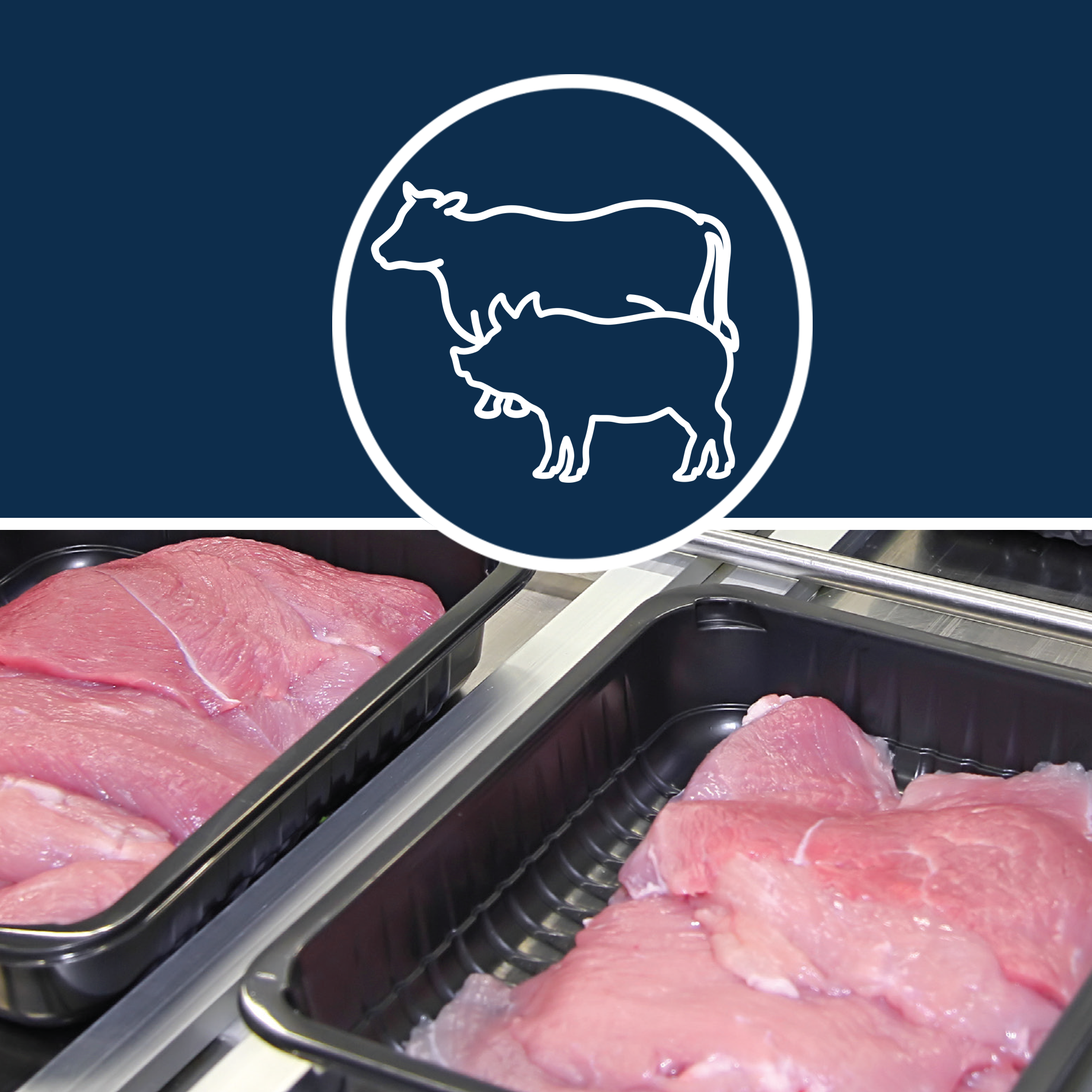



















![How to Keep Yourself and Your Boss out of Jail [Understanding Legal Compliance]](https://www.sqfi.com/images/sqfilibraries/videos/how-to-keep-yourself-and-your-boss-out-of-jail-understanding-legal-compliance.jpg?sfvrsn=f5421b63_9)