
The FSMA Preventive Controls for Human and Animal Food rules are now final. The preventive controls final rules were announced on September 10, 2015 and incorporated thousands of public comments, including valuable input from farmers, consumers, the food industry and academic experts, to create a flexible and targeted approach to ensuring food safety.
SQF Certification prepares a company for FSMA Compliance in the below areas:
At SQFI we strive to deliver consistent, globally recognized food safety and quality certification programs based on sound scientific principles, consistently applied across all industry sectors, and valued by all stakeholders. We invite you to join us at our 2015 International Conference where we will are offering a FSMA Workshop: Understanding The Final Rule For Preventive Controls For Human Food as well as having a high level FDA Executive to Keynote speak on FSMA in 2016 and beyond.
You can also read a comparison of the FSMA Proposed Rules to our current SQF Program here.
For more information on the FSMA Final Rules, head to fda.gov.

Edition 10 has a sharpened focus on the areas where data and experience showed we needed to raise the bar: food safety culture, change management, environmental monitoring, and audit scoring.
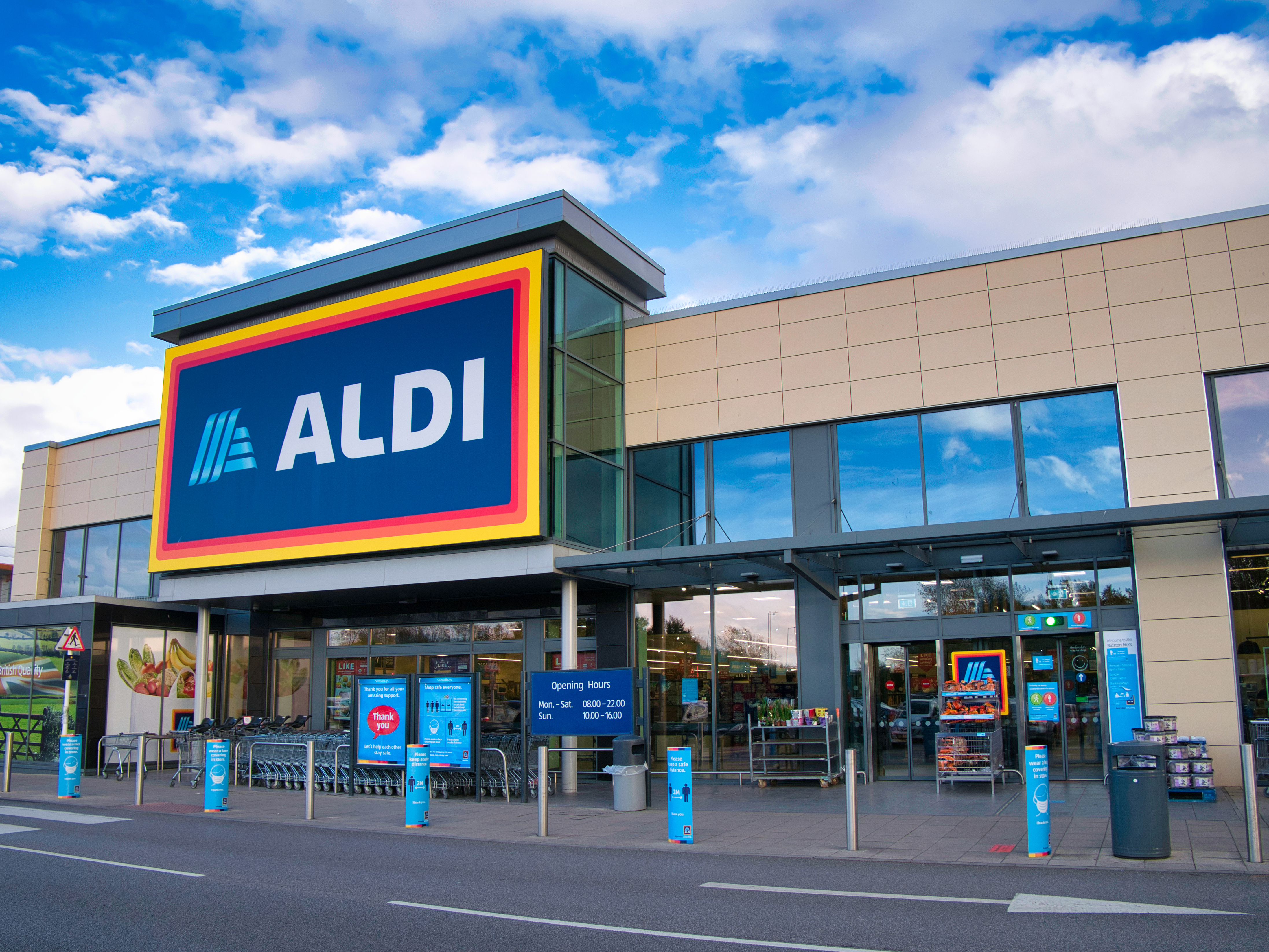
If your business sources, brokers, or facilitates trade for ALDI's exclusive brand products, a new certification requirement could apply to you.

SQFI has launched the SQF Agents & Brokers Code, a dedicated certification standard for businesses involved in the buying, selling, and facilitation of trade across food and general merchandise.
Privacy Policy |
Terms of Use
251 18th Street S., Suite 1200 Arlington, VA 22202 | Phone: (202) 220-0635
© SQFI. All Rights Reserved.
Web Design & Development by Matrix Group International, Inc.

