
By Mark Baum, FMI Chief Collaboration Officer and Senior Vice President of Industry Relations, FMI
 The global food safety community has been adapting to unprecedented business operations and procedures at a breathtaking pace over the past eight-plus months. This velocity of change has accelerated technological advancements into new ways of doing business. During the recent SQFI Global virtual event, I had the pleasure of hosting a dynamic conversation with Allison Jennings, director of food safety & compliance, Amazon; and Roy Kirby, global director, microbiology, food safety, and toxicology at Mondelez International.
The panel of experts shared perspectives on the current and future impacts of artificial intelligence (AI), machine learning, and other technology-enabled tools on the global food safety industry. From our discussion, it is clear that practitioners and service providers can further leverage technology within auditing programs and throughout the supply chain.
Fields said during our conversation, “The role technology currently plays in the quality assurance and quality control arenas cannot be understated and functions as the backbone of present-day supply chain compliance and audits, with AI serving as the linchpin for the future of compliance management.”
As the food and product safety community moves forward, companies will need to enable a new set of business rules that require planning, communicating and technology connections between partners in the supply chain. Adhering to a Global Food Safety Initiative (GFSI) standard and applying a variety of advanced tools – such as artificial intelligence and machine learning – will improve partnerships making compliance easier and more manageable. Simply put, the need to verify a supplier’s product is safe in the supply chain is necessary, and technology is enabling companies to do so in more efficient ways.
I believe that consumer demand for safer food has never been greater. The tools at the industry’s disposal to deliver safe food, the risk assessment capability, and the analytics we have continue to be top of mind. The key for the industry is to maintain, and the key to maintaining consumer trust is transparency.
SQF Global was an event hosted by the Safe Quality Food Institute, a division of FMI. For more information, visit sqfi.com

See how SQF Edition 10's Clause 2.3.5 turns change management into a dedicated requirement.

Edition 10 has a sharpened focus on the areas where data and experience showed we needed to raise the bar: food safety culture, change management, environmental monitoring, and audit scoring.
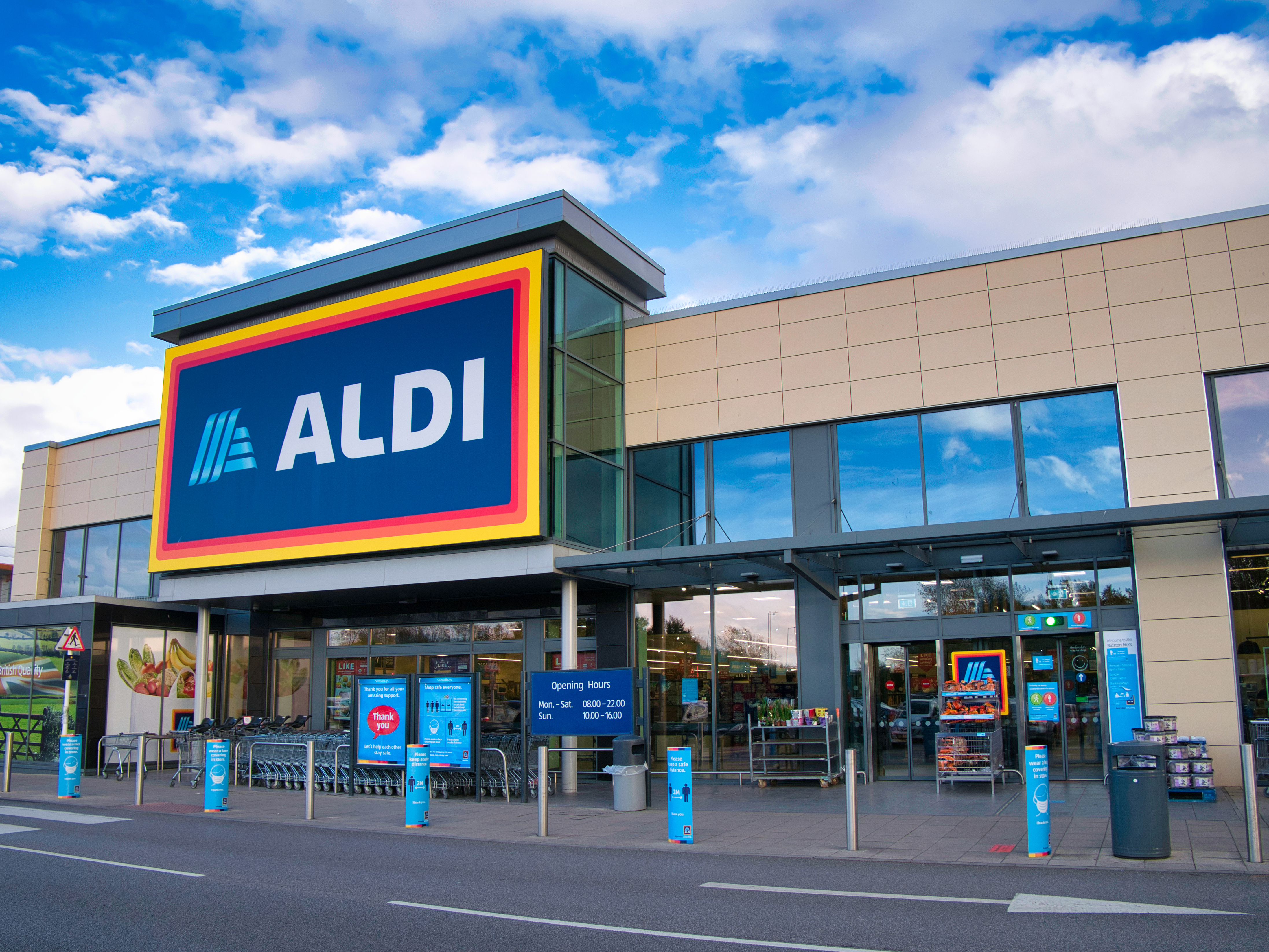
If your business sources, brokers, or facilitates trade for ALDI's exclusive brand products, a new certification requirement could apply to you.
Privacy Policy |
Terms of Use
251 18th Street S., Suite 1200 Arlington, VA 22202 | Phone: (202) 220-0635
© SQFI. All Rights Reserved.
Web Design & Development by Matrix Group International, Inc.

