
By Ashley Eisenbeiser, MS, CFS, Senior Director, Food and Product Safety Programs, FMI

See the original post on the Voice of Food Industry blog.
Food traceability is all the buzz these days, especially since the release of FDA’s much anticipated Final Food Traceability Rule last month. Food traceability relates to the ability to track a food (and/or its ingredients) at any point in the food supply chain. It plays a critical role in foodborne illness investigations when regulators and industry need to identify where a contaminated food came from or where it was sold. It is also key to determining where contamination may have occurred and enabling the quick removal of affected product from the marketplace, reducing the risk of consumers becoming ill. Retailers and product suppliers have various systems in place to achieve this and to help track products at different points in the supply chain.
The final rule, “Requirements for Additional Traceability Records for Certain Foods,” establishes traceability recordkeeping requirements for persons who manufacture, process, pack or hold foods included on the Food Traceability List or foods that contain listed foods as ingredients. The final rule is intended to implement one of the final segments of the Food Safety Modernization Act (FSMA) – Section 204 - to provide a means for additional traceability of high-risk foods.
At the core of this rule is a requirement that persons subject to the rule maintain records containing Key Data Elements (KDE) associated with specific Critical Tracking Events (CTE) and provide information to the FDA within 24 hours or within some reasonable time to which the FDA has agreed. The rule applies to the entire supply chain, including retail food establishments and restaurants, and requires businesses to share information with entities in their supply chain. The compliance date for all persons subject to the rule is January 20, 2026.
Whether you need to create a traceability system or improve your organization’s traceability system, here are a few steps to help you work toward compliance with the Food Traceability Final Rule.
Over the last few years, FMI has been working with FDA, food and beverage trade associations and member companies to identify issues and to advocate to make the rule more practical for the industry to implement and comply. Despite this, the final rule remains complex and will significantly impact how standard supply chain information is shared. FMI will continue to share information and resources and work with members to facilitate implementation and compliance with the rule. Information and resources related to the final rule are being compiled on the FMI FSMA Resource Center. Additionally, FMI has created a Question Portal to answer member traceability questions about the rule.

See how SQF Edition 10's Clause 2.3.5 turns change management into a dedicated requirement.

Edition 10 has a sharpened focus on the areas where data and experience showed we needed to raise the bar: food safety culture, change management, environmental monitoring, and audit scoring.
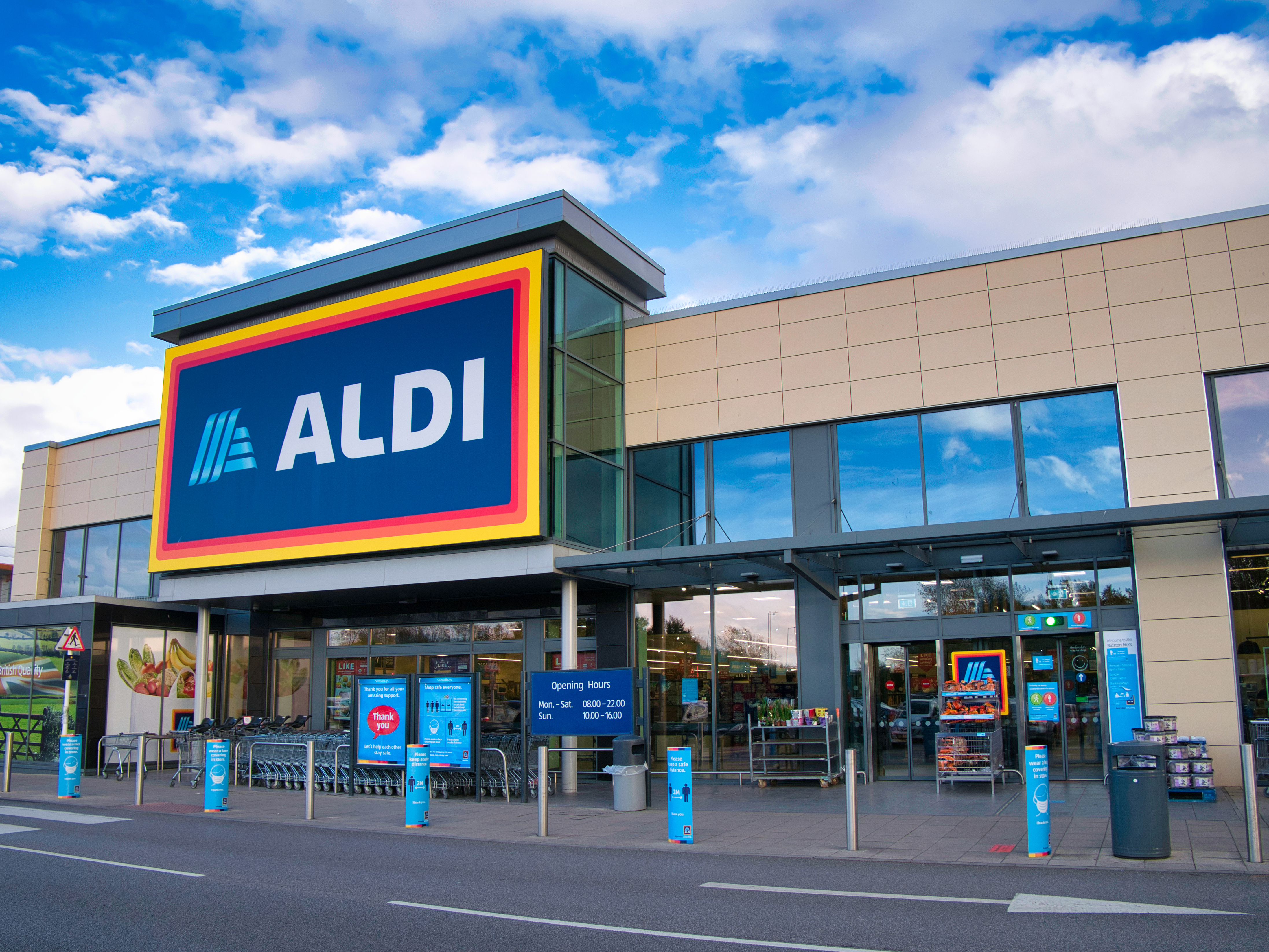
If your business sources, brokers, or facilitates trade for ALDI's exclusive brand products, a new certification requirement could apply to you.
Privacy Policy |
Terms of Use
251 18th Street S., Suite 1200 Arlington, VA 22202 | Phone: (202) 220-0635
© SQFI. All Rights Reserved.
Web Design & Development by Matrix Group International, Inc.

