
 Internal audits have benefits for any type of site, regardless of the product. They aren’t just about ticking the boxes on a checklist. An effective internal audit program can drive continuous improvement across departments, support a healthy food safety culture and promote ownership and investment in food safety across your organization.
As part of our SQF Edition 9: Practitioner Training Program, we’ve recently released a new online course called SQF Implementing: Internal Auditing, part of a series of self-paced trainings and exams to help you prepare for a successful SQF certification.
Internal audits help the site to identify faults in their System so that it can be improved. The internal audit program is a verification method and when used properly, can identify risk, areas for improvement and/or needed corrective and preventative actions prior to an external audit or the occurrence of a food safety event.
In the Internal Auditing course we’ll teach you how to implement a robust internal audit program that drives continuous improvement, supports food safety culture, and improves compliance with the latest SQF Code Edition 9. The interactive approach used in this SQF online course allows practitioners to see how a method like the traceback approach provides a comprehensive means to verifying their food safety and quality programs.
This course is currently offered in both English and Spanish.
Throughout this course, we will give you the tools and knowledge needed to effectively implement an internal audit program. Together we will:

See how SQF Edition 10's Clause 2.3.5 turns change management into a dedicated requirement.

Edition 10 has a sharpened focus on the areas where data and experience showed we needed to raise the bar: food safety culture, change management, environmental monitoring, and audit scoring.
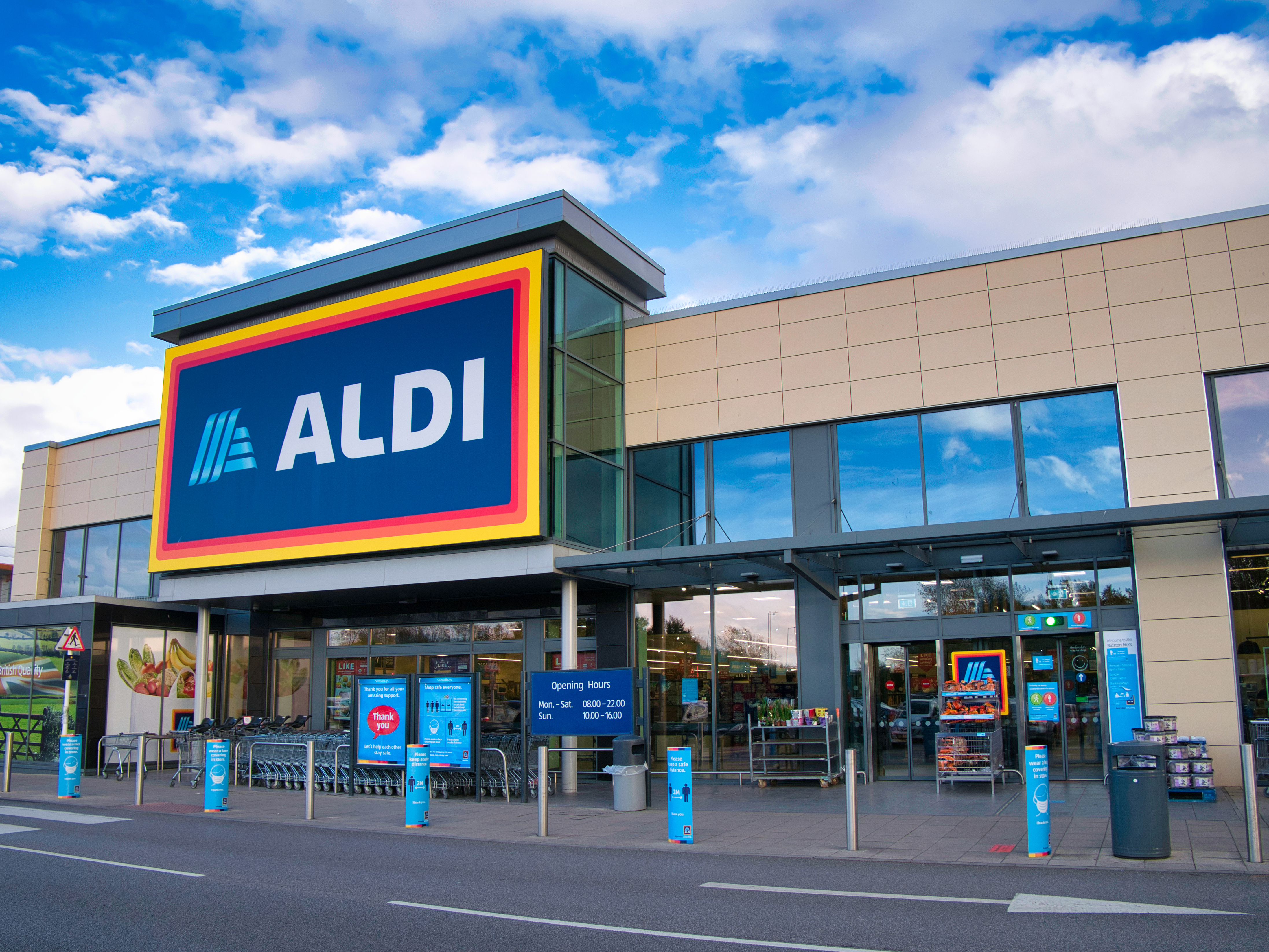
If your business sources, brokers, or facilitates trade for ALDI's exclusive brand products, a new certification requirement could apply to you.
Privacy Policy |
Terms of Use
251 18th Street S., Suite 1200 Arlington, VA 22202 | Phone: (202) 220-0635
© SQFI. All Rights Reserved.
Web Design & Development by Matrix Group International, Inc.

