
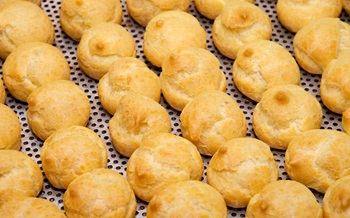
 Food fraud costs the global food industry approximately $49 billion per year. But what is food fraud and how can you protect your business from it? Food fraud is a collective term encompassing the intentional substitution, addition, tampering, or misrepresentation of food, food ingredients or packaging, or false or misleading statements about a product, all for economic gain. Although food fraud certainly isn’t a new phenomenon, the issue is growing in importance, thanks to ever-increasing complexities in the global food supply chain and new regulations suppliers have to adhere to.
Now more than ever, you need to take serious preventative approaches to reduce the risks that food fraud poses to public health and safety, food integrity, and your brand’s reputation. A single incident can permanently destroy a valuable brand, cause long term industry-wide losses, close off export markets and damage trust in public institutions.
Beyond the food safety vulnerabilities, food fraud creates tremendous economic harm and undermines peoples’ trust in the food supply chain, extending to companies, the food industry and even public institutions. Addressing and preventing food fraud is important to sustain economic growth, to maintain the flow of food across longer supply chains, to increase consumer trust in the economy, and to maintain social harmony.

Edition 10 has a sharpened focus on the areas where data and experience showed we needed to raise the bar: food safety culture, change management, environmental monitoring, and audit scoring.
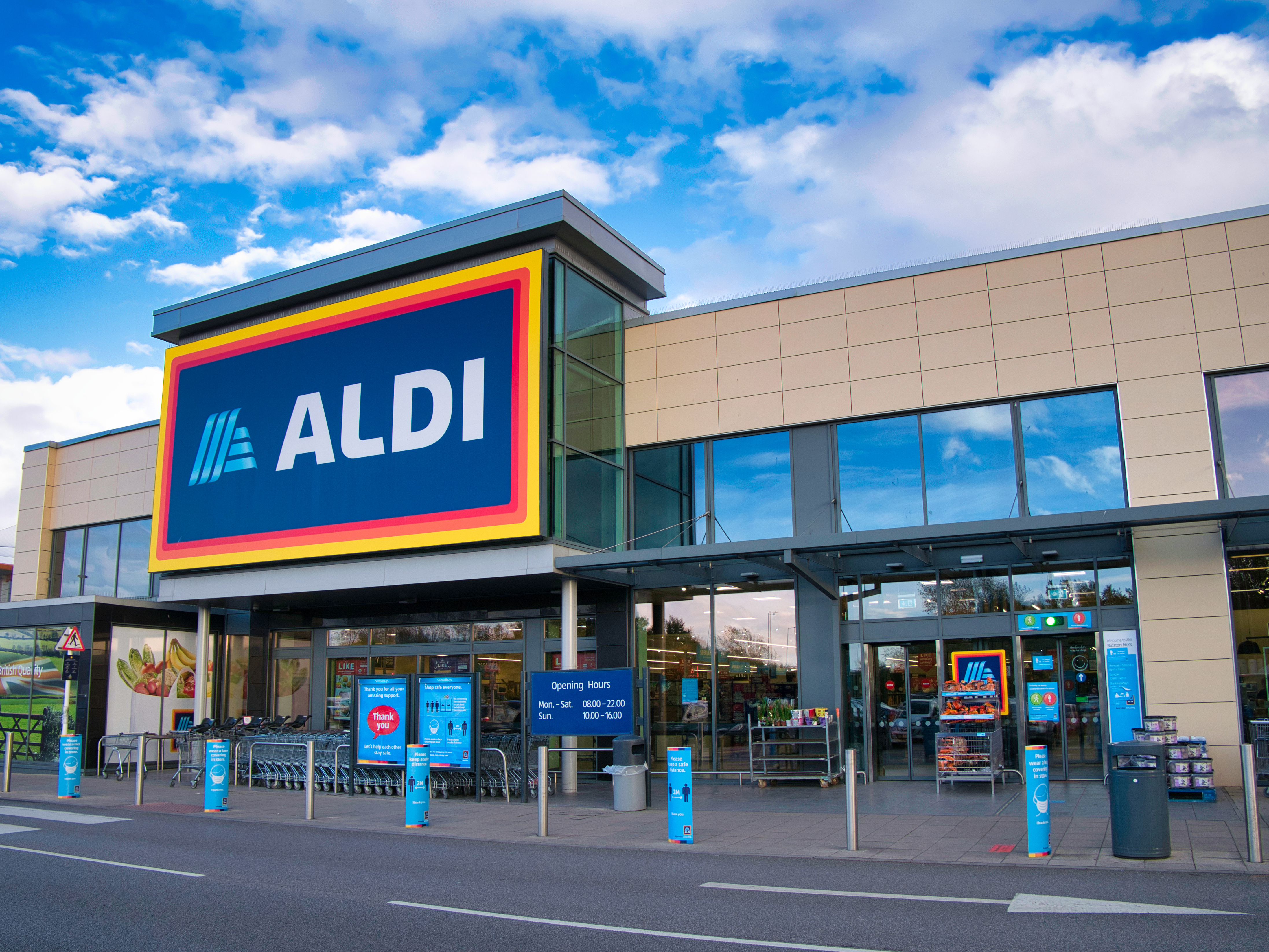
If your business sources, brokers, or facilitates trade for ALDI's exclusive brand products, a new certification requirement could apply to you.

SQFI has launched the SQF Agents & Brokers Code, a dedicated certification standard for businesses involved in the buying, selling, and facilitation of trade across food and general merchandise.
Privacy Policy |
Terms of Use
251 18th Street S., Suite 1200 Arlington, VA 22202 | Phone: (202) 220-0635
© SQFI. All Rights Reserved.
Web Design & Development by Matrix Group International, Inc.

