
By LeAnn Chuboff, Vice President of Technical Affairs, SQFI
Automation is helping food safety teams strengthen traceability, close gaps faster, and stay audit-ready before pressure hits.
As food safety programs evolve toward measurable performance and risk-based decision-making, the value of accurate,  actionable data becomes increasingly important. Organizations that consistently capture and analyze key food safety and quality information gain greater visibility into risk, enabling them to detect issues sooner, prioritize resources effectively, and maintain a state of continual audit and operational readiness rather than relying on retrospective reviews of records and checklists.
That gap between daily function and true readiness is where automation delivers value. Digital documentation platforms capture data at the point of generation—on the plant floor, from a scale, or through a sensor—instead of after the fact from a clipboard. Records are timestamped and audit-ready as soon as they are created. Trends can be identified, corrective actions can be flagged and closed faster, and traceability reports that once took days to assemble can be pulled in minutes.
QA managers across certified sites often raise the same concern: the hardest part of automation is not proving the technology works. It is finding the platform that fits their facility, supplier network, and audit calendar.
It is also no coincidence that SQF Edition 10 moves food safety programs toward measurable performance and systemic resilience rather than static checklists. Automation is how many teams will get there.
That is why we are bringing companies tackling different parts of this challenge together on October 14, for our SQF Product Spotlight Day featuring automation and digital documentation. Allera Technologies, SafetyChain, AuditQ, Wherefour, Keychain, and SGS North America will demonstrate how they digitize food safety records from real-time data capture and supplier certificate tracking to AI-assisted compliance monitoring and recall-ready traceability. Attendees will be able to compare functionality side by side and assess which tools can help their teams move from reactive to ready.
Each company is solving a version of the same problem: paper and spreadsheets do not scale, and manual tracking leaves too much room for gaps before an audit or recall brings them to light. The differences are in how each solution gets a team there—and those differences are worth seeing firsthand before choosing a direction.
If your team is considering a move from manual to digital tracking or wants to understand what today’s tools can do, join the SQF community and my colleague Rachel Anderson, who will host SQF’s Product Spotlight Day: Automation & Digital Documentation on Wednesday, October 14, at 11 a.m. EDT. This free online event will offer a practical look at what is possible for your facility.

See how SQF Edition 10's Clause 2.3.5 turns change management into a dedicated requirement.

Edition 10 has a sharpened focus on the areas where data and experience showed we needed to raise the bar: food safety culture, change management, environmental monitoring, and audit scoring.
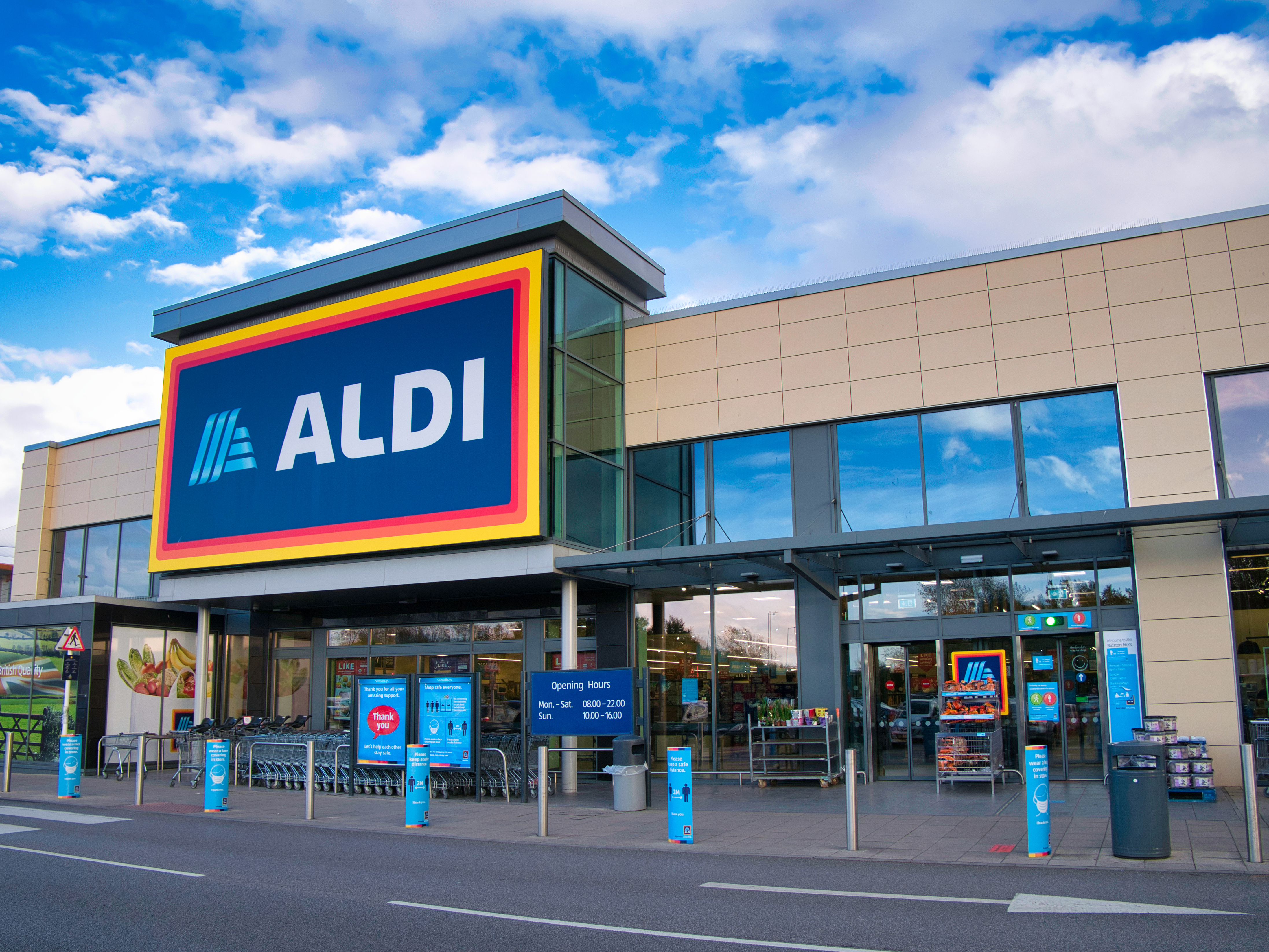
If your business sources, brokers, or facilitates trade for ALDI's exclusive brand products, a new certification requirement could apply to you.
Privacy Policy |
Terms of Use
251 18th Street S., Suite 1200 Arlington, VA 22202 | Phone: (202) 220-0635
© SQFI. All Rights Reserved.
Web Design & Development by Matrix Group International, Inc.

