






Think internal audits are just paperwork? Think again. A strong internal audit program is your secret weapon for SQF  certification and your best defense against surprises.
Internal audits are more than a checkbox in your SQF program; they're your most powerful tool for identifying risks, building team accountability, and driving continuous improvement. For many sites, internal audits feel intimidating and time-consuming. The good news? With the right approach, internal audits can become a confidence-building routine that makes your next audit smoother.
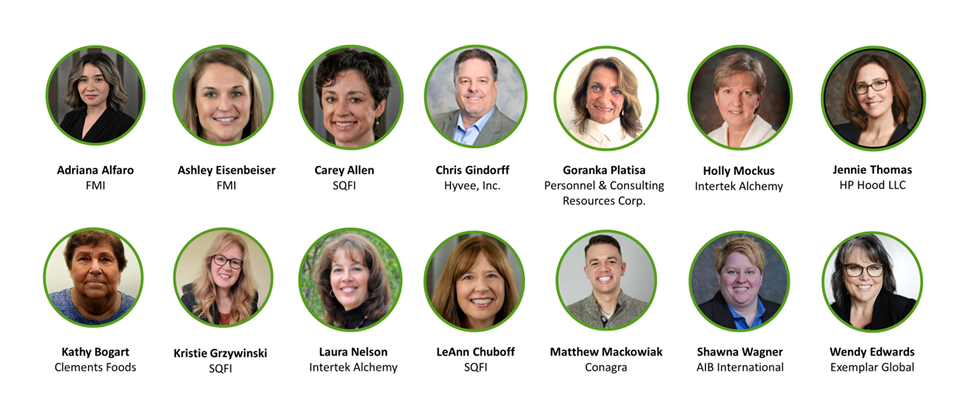
In this blog, we’ll explain how to conduct SQF-aligned internal audits with clarity and consistency without getting overwhelmed. We’ll also highlight key insights from the SQFI digital seminar “Internal Auditing for SQF Excellence”, which is a must-watch for food safety managers and internal audit teams.
What is an Internal Audit in the SQF Program?
An internal audit is a formal check that your food safety and quality system complies with SQF Code requirements. It includes reviewing procedures, examining records, interviewing staff, and observing practices on the floor.
Unlike external audits, internal audits are conducted by your own team on a planned schedule. The SQF code requires that you audit all system elements at least once annually, and that auditors are trained and independent of the function they are auditing, meaning they should not audit their own work.
Internal audits are foundational for:
Proactively identifying non-conformances
Preparing for successful third-party certification audits
Driving a culture of food safety and continuous improvement
As our digital seminar explains, “Internal audits aren't about being perfect—they're about being proactive.”
Why Internal Audits Matter More Than Ever
Here are five reasons you need to prioritize strong internal audits:
They uncover small issues before they become big problems.
They prepare your team for the pressure and pace of a certification audit.
They build trust with customers and retailers.
They improve the effectiveness of your entire food safety system.
They help meet and exceed SQF code expectations.
Step-by-Step: How to Conduct Internal Audits That Actually Work
Step 1: Build Your Audit Program
Start with structure:
Develop an internal audit schedule.
Use SQF system elements to define your scope.
Train internal auditors on Code requirements and auditing techniques.
Create checklists that reference the exact SQF Code clauses.
Don’t forget: Internal auditors should not review their own work areas.
Step 2: Conduct the Audit Thoroughly
Observe operations on the floor.
Interview team members to confirm understanding.
Review documentation—procedures, records, logs, corrective actions.
Compare everything to the requirements in the SQF Code.
Use an audit form or digital tool to stay organized. As our digital seminar emphasizes, "It’s about collecting evidence, not opinions."
Step 3: Document and Categorize Results
Clearly document objective evidence for each requirement.
Categorize issues by severity and potential risk.
Don’t sugarcoat gaps—be clear and constructive.
Step 4: Assign and Close Non-Conformances
Every non-conformance must be:
Assigned to a responsible person
Given a timeline for resolution
Investigated for root cause to identify and apply corrective actions
Verified for effective corrective actions before closure
Completion of an effective internal audit leads to a successful certification audit.
Step 5: Continuously Improve the Audit Process
Debrief after each audit cycle.
Identify recurring gaps and non-conformances.
Update your audit tools, schedule, and training plan.
Internal audits are iterative—what you learn today improves how you audit tomorrow.
Key Considerations for Success
Taking It to the Next Level: Build a High-Performing Audit Team
Cross-train your team so audits stay objective and fresh.
Encourage shadowing or peer audits to raise quality.
Provide regular refresher training on the SQF Code and audit techniques.
Recognize and celebrate an effective internal audit program.
Consider Digital Tools
SQF sites are increasingly turning to digital auditing apps. These tools offer:
Real-time documentation
Photo evidence collection
Built-in clause references
Faster reporting and tracking of corrective actions
As shown in our digital seminar, even simple upgrades to your process can create long-term efficiency benefits.
Wrapping Up: Our Experience with Internal Auditing for SQF
From our experience, the most successful internal audit programs are the ones that don’t treat audits like a chore. They treat them like an opportunity—to coach, to learn, and to level up.
Whether you’re a seasoned quality manager or training your first internal auditor, remember:
Consistency > Perfection
Progress > Panic
Preparation > Surprises
Internal audits don’t just prepare you for external ones; they help you become a safer, stronger, more responsive business.
To learn more about conducting internal audits, watch our accompanying digital seminar, Internal Auditing for SQF Excellence, and visit our website for guidance documents, tip sheets, and checklists to support your internal auditing program.