
 Corrective actions are those actions taken to eliminate non-conformances, deviations or other undesirable situations that have already occurred. Preventative actions are those actions taken to prevent potential non-conformances, deviations or other undesirable situations.
As a food safety professional, you understand that at times corrective actions are an essential part of your site’s HACCP plan used when addressing critical limits that your site does not meet that can lead to product recalls, customer complaints, or non-conforming products. Corrective and preventative actions, also known as CAPA, support the continuous improvement of your site’s entire SQF System. In our series of self-paced, online courses, we cover this topic in our new training called SQF Implementing: Corrective and Preventative Actions.
To give you a better understanding of what it takes to develop a CAPA plan, we’ve pulled together a new online course called SQF Implementing: Corrective and Preventative Actions, which provides the knowledge and tools to help you get into the CAPA mindset, so you can effectively assess and address situations that require corrective action.
Offered in both English and Spanish, this course is part of a series of self-paced online trainings and exams designed to help you understand the SQF Code Edition 9 and prepare for a successful SQF certification.
By the end of this short course, you will have the knowledge required to recognize situations that may need immediate correction and prepare a robust CAPA investigation and action plan. Together we will:

See how SQF Edition 10's Clause 2.3.5 turns change management into a dedicated requirement.

Edition 10 has a sharpened focus on the areas where data and experience showed we needed to raise the bar: food safety culture, change management, environmental monitoring, and audit scoring.
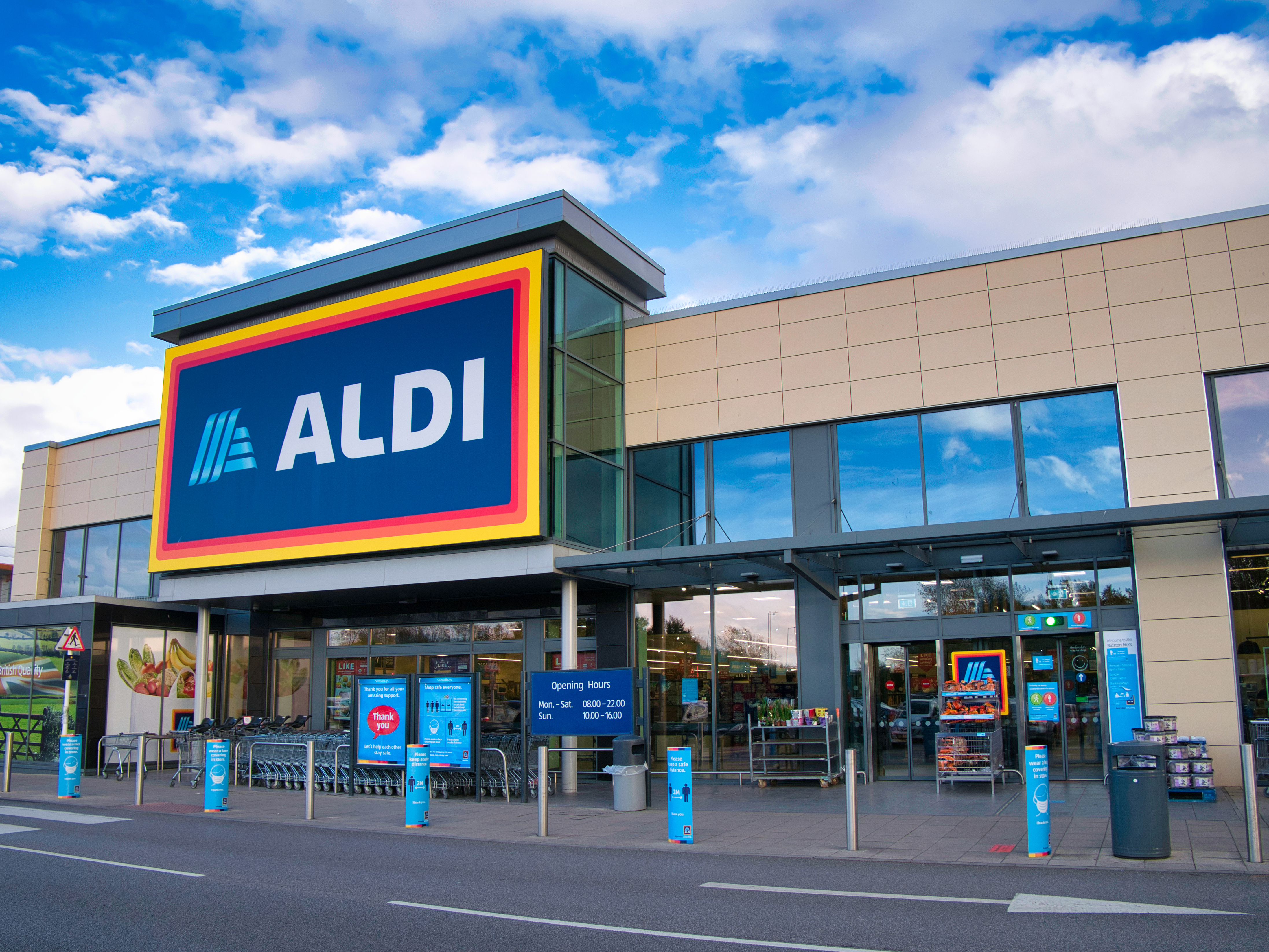
If your business sources, brokers, or facilitates trade for ALDI's exclusive brand products, a new certification requirement could apply to you.
Privacy Policy |
Terms of Use
251 18th Street S., Suite 1200 Arlington, VA 22202 | Phone: (202) 220-0635
© SQFI. All Rights Reserved.
Web Design & Development by Matrix Group International, Inc.

