

How Is the Grocery Supply Chain Responding to Coronavirus?
By Doug Baker, Vice President, Industry Relations, FMI
We live in a global economy, which is evident every day in the aisles of a grocery store. In times of crisis, most notably the current situation with increasing cases of COVID-19 in the U.S., shoppers are taking control of their environment – and our grocery supply chain is flexing and demonstrating its resilience.
Depending on the local situation, shoppers are in either preventive-mode or response-mode. For instance, communities experiencing their first reported cases of coronavirus may be securing sanitizing wipes, hand sanitizer, etc. Communities that have already seen several cases of the virus are in more of a response mode, perhaps self-quarantining and securing supplies that bring them comfort and preventive care. This means we’re seeing spikes and plateaus in certain product purchases across the country. We’ll continue to witness this as the coronavirus plays out in the U.S.
As these product spikes and plateaus occur, what is truly amazing is how the grocery supply chain responds with manufacturers and retailers working together to find efficiencies and secondary supply. For example, some of the pumps for hand sanitizer bottles are made overseas, so manufacturers explored packaging options domestically that would help them maneuver in parallel with demand. The same level of efficiency is being applied to high cube products like paper towels and toilet paper when possible, as manufacturers may skip the warehouse entirely to move pallets that are shrink-wrapped and dropped directly at a store.
As manufacturers receive increased orders for products in demand, they work closely with retailers to pace the supply accordingly. This ensures that there is an equal distribution of products across the supply chain during a crisis — one store doesn’t get 100% of their order while another store only receives 30% of their product order. Now, just like in a natural disaster, temporary product shortages can and likely will happen, but supply pacing helps ensure these out-of-stocks are short-lived and that the supply chain can respond.
In recent days much has been written about issues associated with price gouging. FMI has focused on the fact that many states have consumer protection laws in place to address price gouging, and the bad actors in the supply chain are being identified and taken offline both by law enforcement and by FMI member companies. FMI has also been working closely with state retail associations to monitor for concerns. Consumers should continue to feel empowered and be encouraged to report unfair practices to their local Office of the Attorney General hotline.
As this situation progresses, the grocery supply chain will be tested, but built-in efficiencies and tried and true practices will continue to show how resilient the grocery supply chain can be. I invite you to see my interview that goes into more depth on the grocery supply chain with The Cheddar.

Edition 10 has a sharpened focus on the areas where data and experience showed we needed to raise the bar: food safety culture, change management, environmental monitoring, and audit scoring.
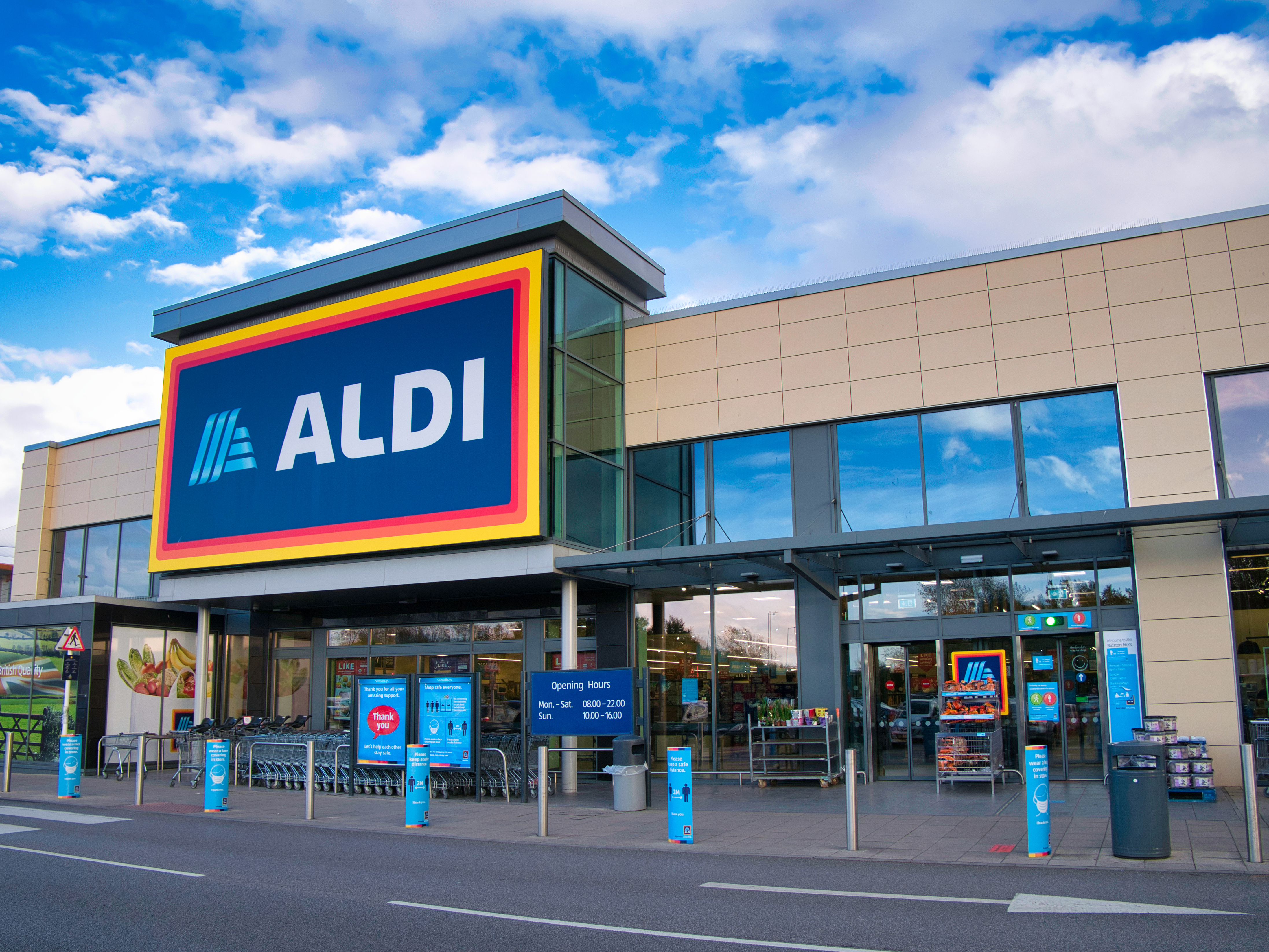
If your business sources, brokers, or facilitates trade for ALDI's exclusive brand products, a new certification requirement could apply to you.

SQFI has launched the SQF Agents & Brokers Code, a dedicated certification standard for businesses involved in the buying, selling, and facilitation of trade across food and general merchandise.
Privacy Policy |
Terms of Use
251 18th Street S., Suite 1200 Arlington, VA 22202 | Phone: (202) 220-0635
© SQFI. All Rights Reserved.
Web Design & Development by Matrix Group International, Inc.

