
 When customers demand high quality, your site should be able to demonstrate just how you’re providing it. Achieving SQF Quality Certification enables you to show your customers your commitment to maintaining product quality.
The SQF Quality Program was created for sites going above and beyond food safety, seeking additional recognition for high quality. The SQF Quality Code uses a risk-based method designed to:
SQF has expanded its quality certification eligibility requirements. With the latest implementation of Code Edition 9, primary production, manufacturing, food packaging, and distribution sites no longer have to be within the SQF community to apply for SQF Quality Code Certification. If your site currently holds another GFSI-recognized food safety certification or a HACCP certification, your site now has the option to add SQF Quality.
Learn more about site certification eligibility.
If your site is eligible to apply for SQF Quality Code certification, you can contact your current SQF-certified Certification Body (CB) to begin the process. They can help you determine what your company needs to do. When it’s time, put your best foot forward by preparing for a successful certification with the latest SQF Quality Systems Course training.
With the recent implementation of Code Edition 9, we’ve updated our quality training program to ensure alignment with the new standards and help sites best prepare for the certification process. The latest online course is available now, giving you anytime-access for one month to resources that will prepare you to improve your site’s quality and stand out from your competition.
The course includes five areas that cover the most vital topics for successfully applying and improving quality management principles:

See how SQF Edition 10's Clause 2.3.5 turns change management into a dedicated requirement.

Edition 10 has a sharpened focus on the areas where data and experience showed we needed to raise the bar: food safety culture, change management, environmental monitoring, and audit scoring.
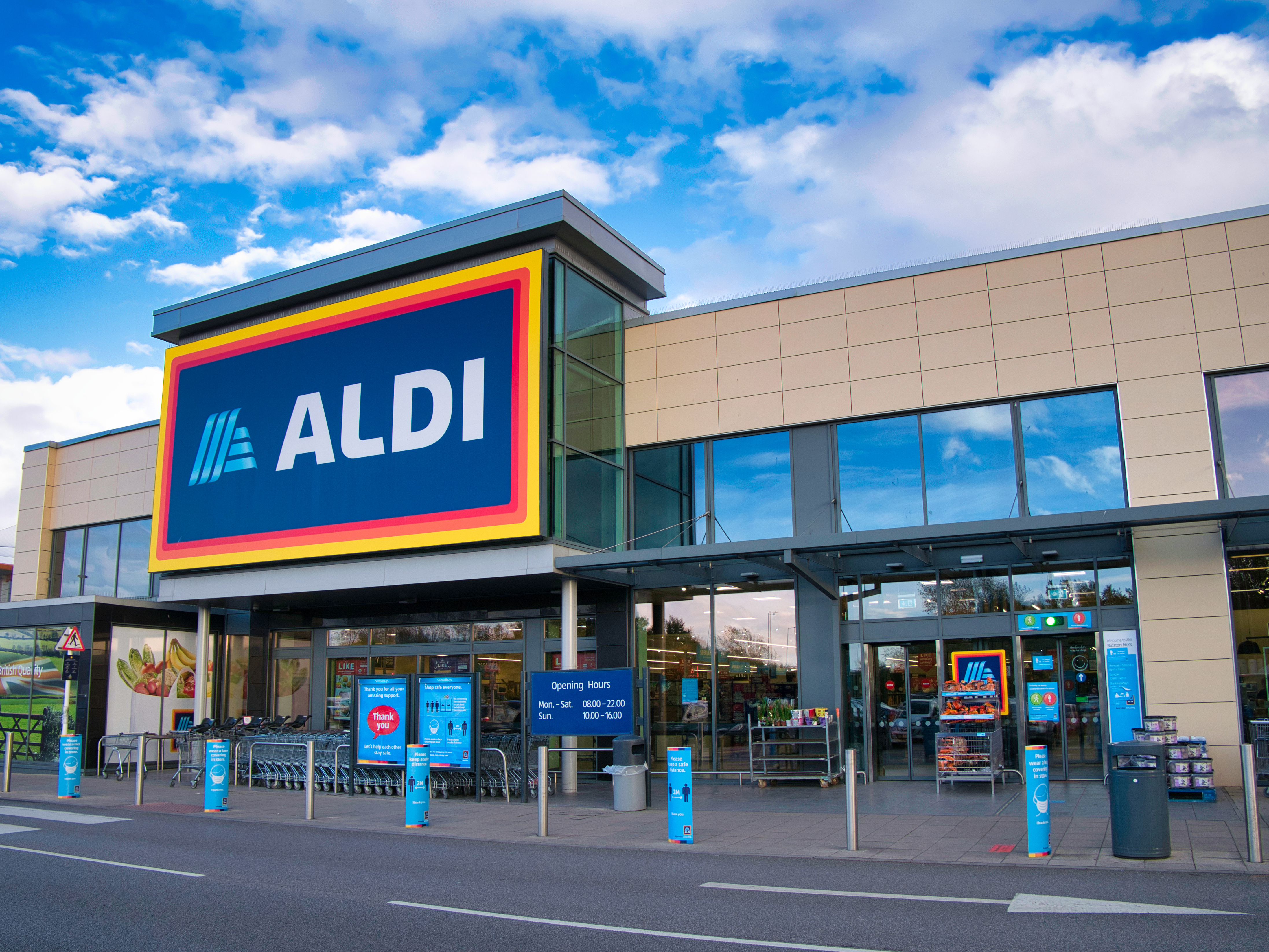
If your business sources, brokers, or facilitates trade for ALDI's exclusive brand products, a new certification requirement could apply to you.
Privacy Policy |
Terms of Use
251 18th Street S., Suite 1200 Arlington, VA 22202 | Phone: (202) 220-0635
© SQFI. All Rights Reserved.
Web Design & Development by Matrix Group International, Inc.

